DocArts Series Fall 2026
The “DocArts” Initiative is an outgrowth of decades of justice-oriented multimedia production and creation by WSU faculty. DocArts is working to integrate multimedia production across the curriculum for air on local, national, and international platforms. The initiative foregrounds the healing, restorative, regenerative nature of our work at the intersections of multicultural knowledges, multimedia production, and the arts. Within a framework of collective community care and “Culture as Prevention,” DocArts fosters community-based and culturally centered collaborations, community health, well being, and resilience.
The DocArts Series emerged as an urgent response to the media consolidation, censorship and defunding of public media. The series illuminates and bears witness to multiple and intersecting forms of planetary injustice and colonial–imperialist atrocities. Co-sponsored by The Collective for Social and Environmental Justice and Native American Programs at WSU Vancouver, the series is free and open to the public. All events are hybrid and accessible via Zoom and are being recorded for broadcast on KXRW, KBOO, and Open Signal Cable Television.
Friday, September 18, 12 to 1: 20pm, “Global South Solidarities Digital Anarchiving,” in VDEN 110 (Vancouver campus)
Professor Bibhushana Poudyal, Nepali scholar, feminist rhetorician, and anti-colonial public digital humanist
on Zoom: https://bit.ly/4xKkv7L(passcode: DocArts26)
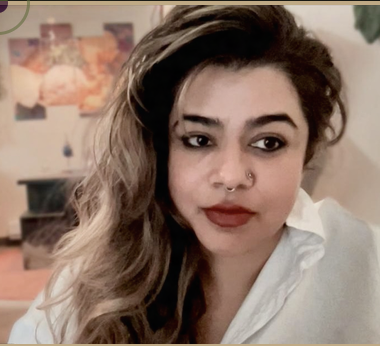
Bibhushana Poudyal (she/they/any) is a Nepali scholar, feminist rhetorician, and anti-colonial public digital humanist whose work is driven by a commitment to Global South Solidarities. She is a Buchanan Distinguished Assistant Professor at Washington State University (WSU), where she is also an affiliate faculty member in the Program in Women’s, Gender, and Sexuality Studies. She is also the Director and Organizer of the international-community-centered organization, Global South Solidarities.
In her 2025 monograph, Gendering South Asia: Rhetorical Non-Phallic Bodies in the Global Capital (Routledge), she examines how power operates through rhetoric, technology, and policy, with a particular interest in how gendered and racialized bodies are functioned upon within and against heteronormative, colonial, and capitalist structures. She is currently working on her second monograph which theorizes the archive as a technology of power haunted by the repressed, suppressed, and oppressed. The book proposes “anarchiving” as a methodological hack—grounded in diffractive reading, self-reflexivity, and embodied listening—that reframes research as an entangled encounter with what records attempt to hide, ultimately reprogramming the archive from a tool of control into a practice of liberation.
Wednesday, September 23, 12 to 1:20 pm, “Hiroshima and Beyond: A Conversation on Nuclear Abolition, Trauma, and Peace” in VDEN 110 (Vancouver campus)
Courtney Boswell, CSEJ Organizer, WSU Vancouver Alum
on Zoom: https://bit.ly/4xKkv7L(passcode: DocArts26)
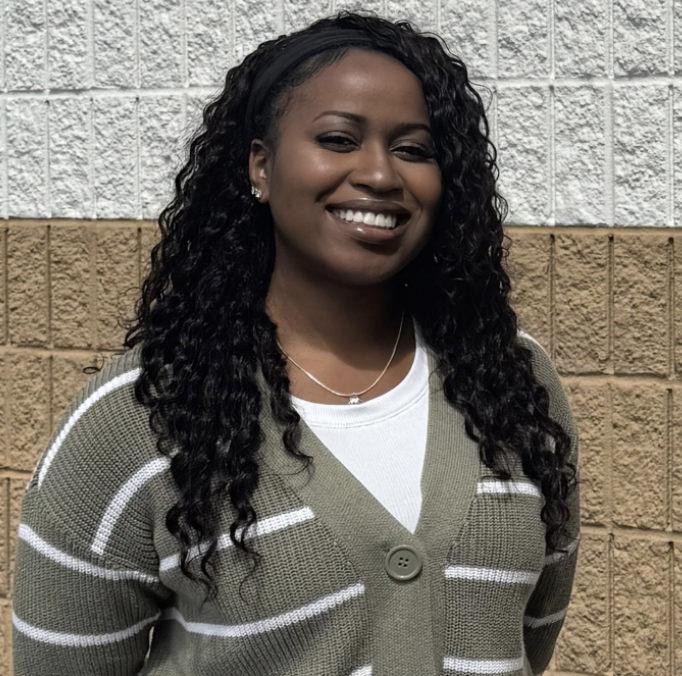
Courtney Boswell graduated in Spring 2026 with a degree in Psychology from Washington State University Vancouver and is pursuing a Master’s degree in Psychology at Seattle Pacific University. Courtney has served as an organizer with the Collective for Social and Environmental Justice at Washington State University Vancouver and is working with the Vancouver-based nonprofit Odyssey World International to teach radio production to high schoolers in conjunction with KXRW Radio. She is working on a radio documentary based on her August 2026 trip to Hiroshima, Japan as part of a delegation with Washington Physicians for Social Responsibility focused on nuclear disarmament.
Friday, October 2, 12 to 1:20 pm, “From Radio/Podcasting to Digital Comics,” in VMMC 6 (Vancouver campus)
Iván Soto-Gonzalez, Public Historian, Assistant Professor of History, WSU Vancouver
on Zoom: https://bit.ly/4xKkv7L(passcode: DocArts26)
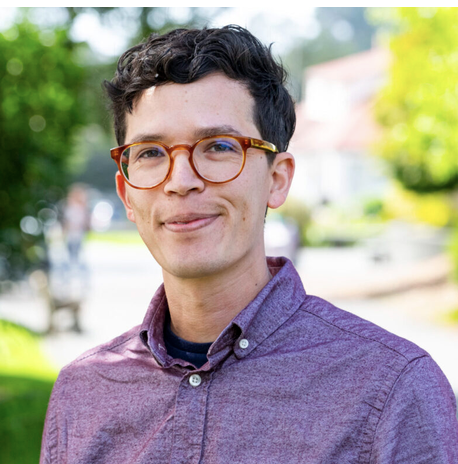
Ivan González-Soto is an Assistant Professor of Latinx History with research and teaching interests in labor studies, social history, US-Mexico borderlands, the U.S. American West, and critical histories of race, ethnicity, and agriculture. He specializes in Mexican American history, farmworkers, and the relationship between labor, leisure, and built environments. His interdisciplinary scholarship is inspired by publicly accessible, community-engaged research in the form of comic books and graphic novels.
His current book project highlights the ways in which ethnic Mexican farmworkers and their allies contested and negotiated space and power relations in Southern California’s Imperial Valley during the late twentieth century. Through this work, he examines the intersections between agricultural labor, land disputes, and environmental justice and demonstrates that everyday, working-class people in rural California’s Imperial Valley were not passive historical actors in the context of monopolistic, speculative financing on rural lands, but active members of society who contested their surroundings.
Friday, October 16, 12 to 1:20 pm, “Fighting Native Erasure with Jokes,” in VDEN 110 (Vancouver campus)
Joey Clift, Cowlitz Comedian, Writer for Dropout & Comedy Central
on Zoom: https://bit.ly/4xKkv7L(passcode: DocArts26)
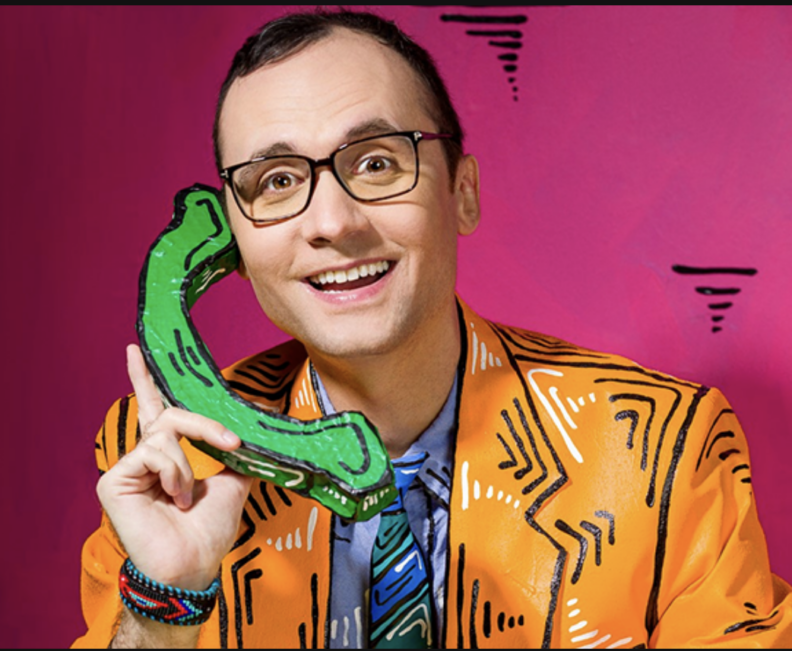
Joey Clift is a Los Angeles-based, Peabody and 2x Emmy Award-nominated comedian, TV writer, director, producer and enrolled member of the Cowlitz Indian Tribe.
Joey attended college to become a local TV weather person because as a kid he didn’t see any Native American comedians on television, and that made him believe he wasn’t allowed to work in comedy. Since then he has learned that this is not true – and his comedy style reflects that. Joey’s work has been featured in The Washington Post, Pitchfork, NPR, Dead Meat, Dropout and Comedy Central.
As a television writer, Joey has written for shows such as Spirit Rangers on Netflix, Molly of Denali on PBS, Lego Ninjago: Decoded on Cartoon Network, Smartypants and Toonout on Dropout, and Paw Patrol and Rubble & Crew on Nickelodeon. Joey Clift created Gone Native, a Webby Award-winning Comedy Central Digital series featuring many of today’s top Native American comedians, and his short films have screened everywhere from Just For Laughs to the Smithsonian Museum.
Monday, October 19, 12 to 1 pm, “Telling Our Story: A Collaboration to Teach Young People to Document the Untold Past,” in VDEN 110 (Vancouver campus)
Professor Shameem Rakha, Associate Professor, Department of Teaching and Learning, WSU Vancouver
on Zoom: https://bit.ly/4xKkv7L(passcode: DocArts26)
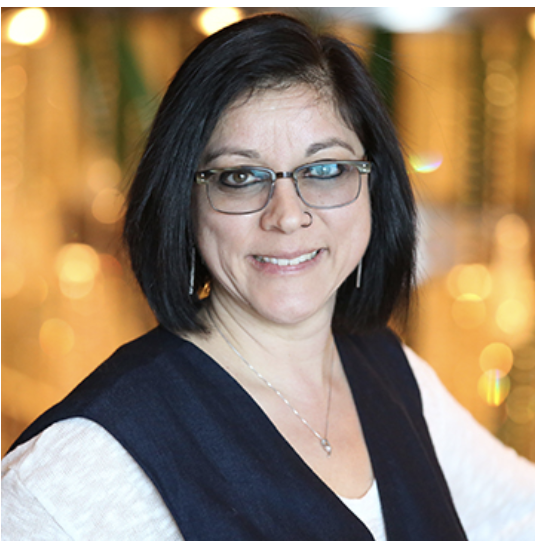
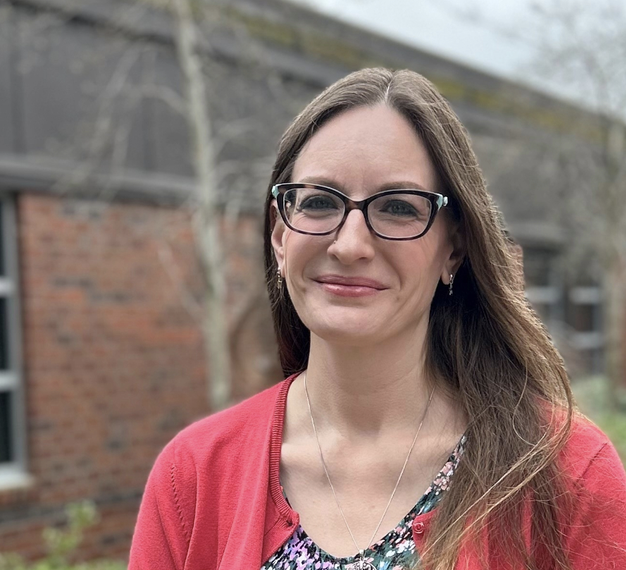
Shameem Rakha is an assistant professor in the Department of Teaching and Learning at Washington State University. Prior to becoming a professor, she taught for 17 years at the elementary and middle school levels. She received her Ph.D. in Educational Policy from the University of Illinois at Urbana-Champaign in 2013. She is very interested in increasing equity in our schools for students of color. Her research examines the use of culturally relevant pedagogy to increase student engagement and improve student academic outcomes. Recently, she has been looking specifically at ways to cultivate caring relationships between teachers and students, particularly in situations where there is a mismatch between the cultures of these groups.
At WSU, Professor Rakha teach Elementary Social Studies methods, Multicultural Education, Social Foundations of Education, and Race and Racial Identity in Education across several programs in the College of Education including the BA, MIT-E, MIT-S, Ed.M., and Ed.D. programs.
Wednesday, October 21, 12 to 1:20 pm, “Autism Standpoint Theory” in VDEN 110 (Vancouver campus)
Isha Sara Snow, WSU Vancouver Student and Host of Autism Standpoint Theory on Open Signal Cable Television
on Zoom: https://bit.ly/4xKkv7L(passcode: DocArts26)