We study the physical drivers, causes of long-term changes, and impacts of climate extremes in various regions of the world. Our research spans extremes from local to global-scales. We aim to understand how the characteristics of extremes are changing in a warming world and attribute extremes to natural variability and human-caused climate change. We also examine how climate variability and extremes impact various resources and systems including agriculture, energy, and aspects of our health.
We use a variety of data and tools in our research including ground and satellite-based observations, reanalysis, paleoclimate records, and climate model simulations to study the climate system as well as surveys with communities to understand climate impacts and adaptations.
Learn more about our ongoing projects in various research areas. We welcome questions or ideas for collaborations.
- Temperature Extremes
- Monsoons and Extreme Precipitation
- Wildfires
- Compound Hazards
- Large-Scale Atmospheric Circulations
- Climate and Agriculture
- Climate and Health
Heat and Cold Extremes and Their Impacts
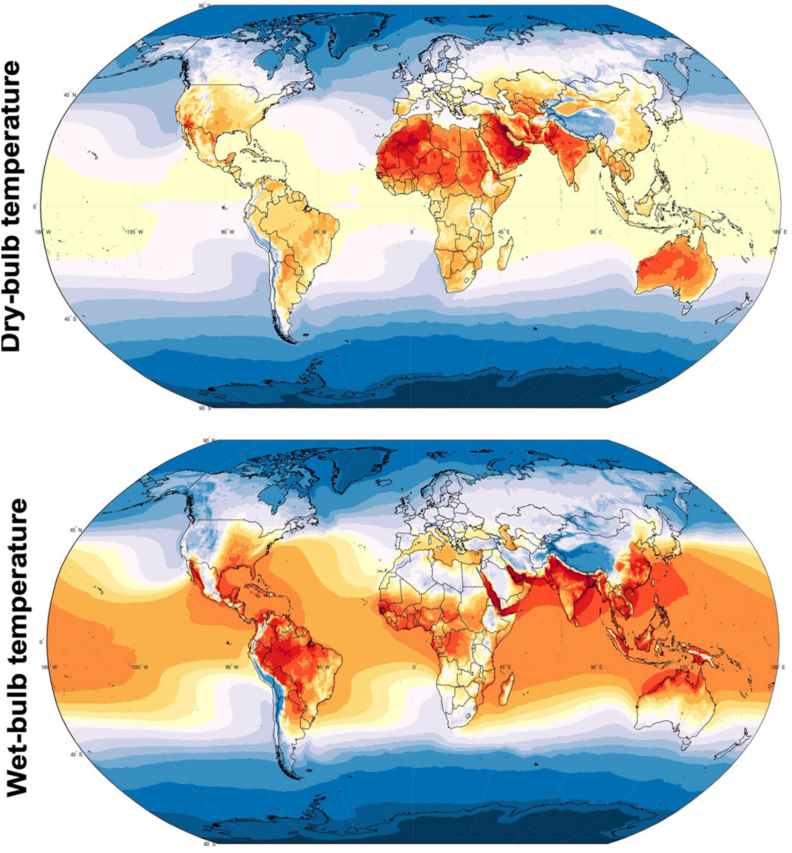
Recent record-breaking heat in the Pacific Northwest, Europe, South Asia and China have cost numerous lives, damaged infrastructure and adversely impacted agriculture and ecosystems. Despite being one of the most widely studied climate hazards, recent heat waves have underscored the complexity of physical factors that contribute to such extremes and raised new scientific questions. Further, the role of humidity in shaping extreme heat impacts is also being increasingly recognized. Our NSF-supported research investigates the spatial and temporal characteristics of heat extremes and the influence of natural climate variability on their characteristics. We recently published the first high-resolution, global characterization of the frequency, timing and severity of humid-heat extremes.
In addition, we aim to understand how temperature extremes impact agriculture, the health of agricultural workers, and energy infrastructure.
Select publications:
- D. Singh, Bekris, Y., Rogers, CDW., Doss-Gollin, J.,Coffel, E. D., and D. Kalashnikov, “Enhanced solar and wind potential during widespread temperature extremes across the U.S. interconnected energy grids.” Environmental Research Letters. 19. 2024
- C. Rogers, M. Ting, C. Li, K. Kornhuber, E. Coffel, R.M. Horton, C. Raymond, and D. Singh, “Recent increases in exposure to extreme humid-heat events disproportionately affect populated regions”, Geophysical Research Letters, 48, e2021GL094183, 2021
- C. Diaz, Ting, M., Horton, R., Singh, D., Rogers, CDW, Coffel, E. Increased Extreme Humid Heat Hazard Faced by Agricultural Workers. Environmental Research Communications,5, 115013, 2023
- Ivanovich, C. C., Horton, R. M., Sobel, A. H., and Singh, D. Subseasonal variability of humid heat during the South Asian summer monsoon. Geophysical Research Letters, 51, e2023GL107382, 2024
Monsoons and Extreme Precipitation
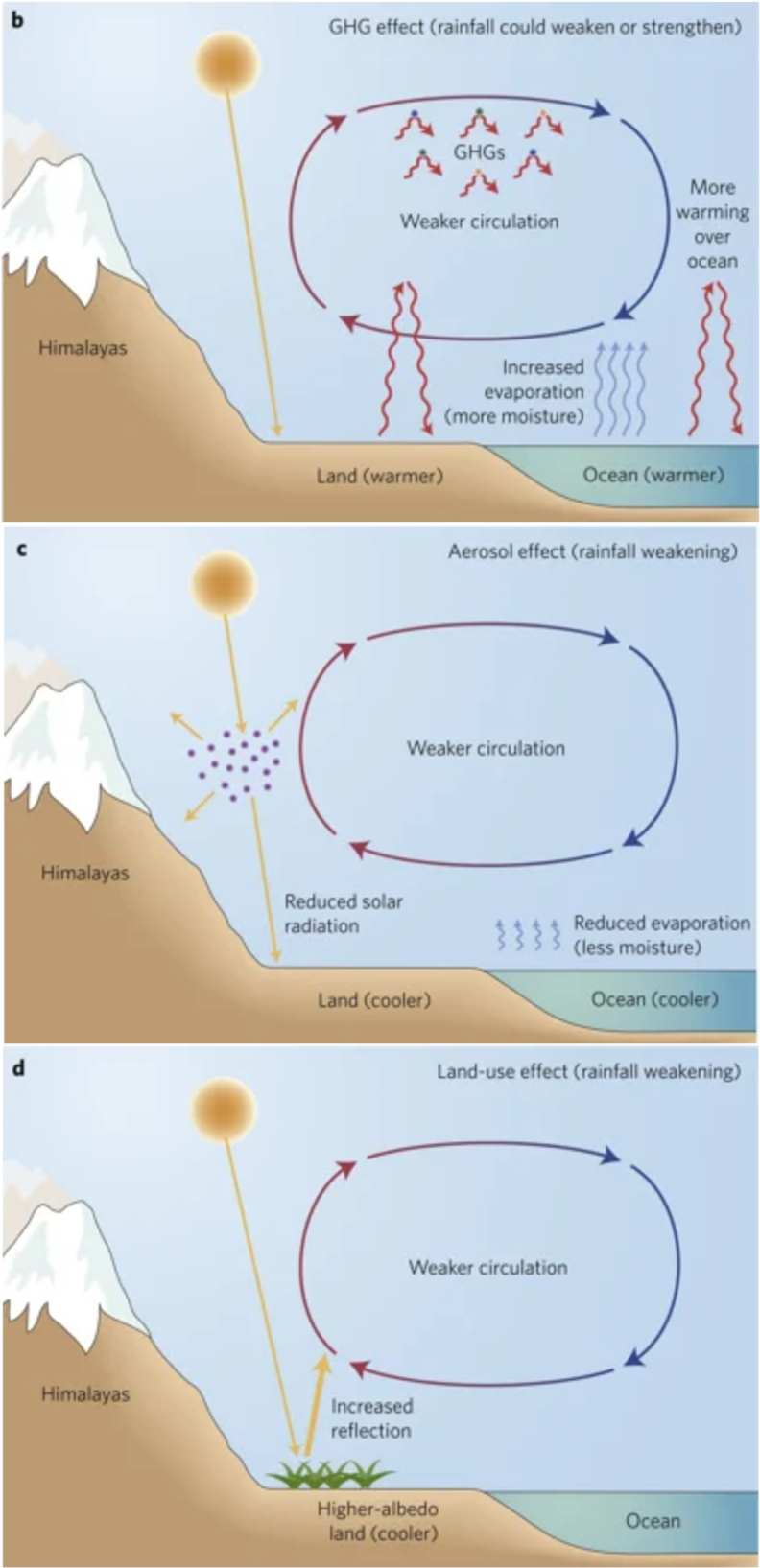
The South Asian summer monsoon is the predominant source of rainfall for the Indian subcontinent, where nearly 1.8 billion people depend on reliable monsoonal rains for their water resources and food production. Nearly every monsoon season in recent years, parts of South Asia have experienced damaging flooding with impacts ranging from immediate loss of lives to the spread of deadly diseases, infrastructure damage, and agricultural losses that have lasting impacts on the food security of communities. Our research focuses on assessing how precipitation patterns associated with the South Asian Monsoons are changing and why. We have shown that extreme rainfall events have become more frequent and intense in parts of the region but there is substantial heterogeneity in observed changes. These observed rainfall changes are shaped by a combination of natural climate variability and human activities including global greenhouse gasses, anthropogenic aerosols , and regional land-surface changes. All these factors are going to continue to be important influences on the South Asian monsoon and our work aims to understand their individual and combined influence on the historical and projected trajectory of the monsoons.
Select publications:
- J. Singh, Cook, B., Marvel, K., McDermid, S., Persad, G. G., Rajaratnam, B., and D. Singh, “Anthropogenic aerosols delay the emergence of greenhouse gas forcing on the South Asian monsoon by five decades”, Geophysical Research Letters, 50, e2023GL103949, 2023
- D. Singh, S. Ghosh, and M.K. Roxy, “Indian Summer Monsoon: Extreme Events, Historical Changes and Role of Anthropogenic Forcings”, (Invited Review Article) for WIREs Climate Change, 10, 2, e571, 2019
- D. Singh, M. Bollasina, M. Ting, and N.S. Diffenbaugh, “Disentangling the influence of local and remote anthropogenic aerosols on South Asian Monsoon daily rainfall characteristics”, Climate Dynamics, 52, 9-10, 6301-6320, 2019
- D. Singh, Tsiang, M., Rajaratnam, B., and N.S. Diffenbaugh, “Observed Changes in Extreme Wet and Dry Spells in the South Asian Summer Monsoon Season”, Nature Climate Change, 4(6): 456-461, 2014
Wildfires: Drivers and Hazards

The western United States is experiencing larger and more severe wildfires as the climate continues to warm. Lightning is a major source of wildfire ignitions across the western U.S. during summer months when fuels are seasonally dry, and account for the vast majority of burned area across the region. Large lightning storms start multiple wildfires including in remote areas, which have burned million of acres, destroyed numerous homes, and cost human lives. Despite these potentially outsized impacts, the phenomenon of dry lightning has not been extensively studied. Our research investigates the meteorological drivers of dry lightning and the biophysical factors affecting lightning-caused wildfire ignition to inform operational forecasting and climate model projections of lightning-caused fires. Wildfires are also associated with numerous impacts including poor air quality and increased likelihood of landslides, and debris flows, which we aim to investigate. Our research has shown that the combination of heat, wildfires and atmospheric high-pressure systems drive widespread co-occurrences of multiple harmful air pollutants, and their occurrence have increased notably over the last two decades. Further, we are using convolutional neural networks to develop predictive models of lightning and developing projections of lightning-ignited wildfire risk for a warmer climate.
Select publications:
- Kalashnikov, D. A., Davenport, F. V., Labe, Z. M., Loikith, P. C., Abatzoglou, J. T., & Singh, D. (2024). Predicting cloud-to-ground lightning in the western United States from the large-scale environment using explainable neural networks. Journal of Geophysical Research: Atmospheres, 129, e2024JD042147.
- D. Kalashnikov, Abatzoglou, J. T., Loikith, P. C., Nauslar, N. J., Bekris, Y., and D. Singh, “Lightning-ignited wildfires in the western United States: Ignition precipitation and associated environmental conditions”. Geophysical Research Letters, 50, e2023GL103785, 2023
- D. Kalashnikov, Abatzoglou, J.T., Nauslar, N., Swain, D. L., Touma, D., and D. Singh, “Meteorological and geographical factors associated with dry lightning in central and northern California”, Environ. Research: Climate, 1, 2, 2022
- D. Kalashnikov, Schnell, J. L., Abatzoglou, J. T., Swain, D. L., and D. Singh, “Increasing co-occurrence of fine particulate matter and ground-level ozone extremes in the western United States”, Science Advances, 8,1 2022
Compound Hazards
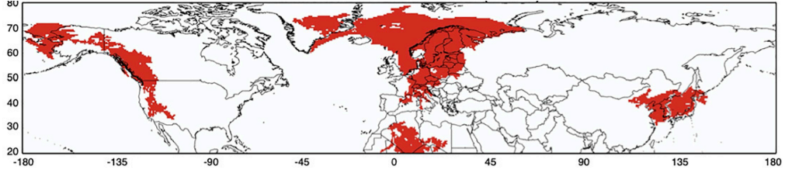
Climate change is increasing the chances of multiple climate hazards occurring simultaneously or back-to-back in various regions, which can result in greater impacts than isolated hazards to ecosystems, natural resources, health, infrastructure, and interconnected societal systems. Our research aims to diagnose the physical drivers of such compounding hazards in different climates. Two types of hazards we have focused on include spatially concurrent heatwaves and spatially concurrent droughts. Hemispheric-scale circulation patterns drive concurrent large heatwaves in the mid-latitudes. Our work has examined how changes in these patterns along with warming affect the location and characteristics of concurrent heatwaves.
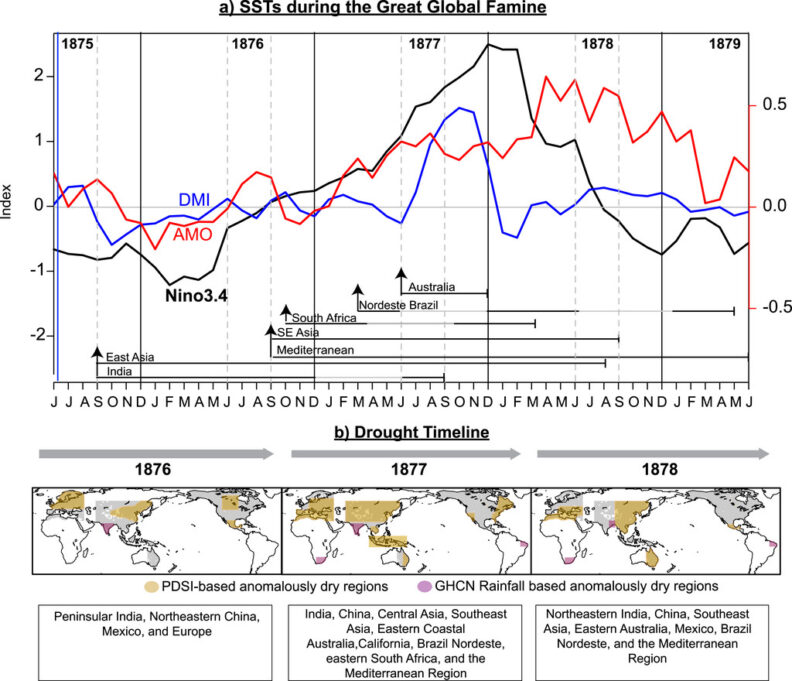
Concurrent droughts across several regions in the tropics and sub-tropics are driven by natural variability modes such as the El Niño Southern Oscillation (ENSO). Between 1876-78, one of the strongest observed ENSO events contributed to concurrent droughts across Asia, Africa, and South America. These droughts were associated with famines that killed over 50 million people and propelled major political, economic, and demographic changes that helped create the existing pattern of global inequalities. We have used large-ensemble climate simulations to understand how ENSO and other modes affect such concurrent droughts in present and future climates as well as projected changes in their exposure.
Select publications:
- J. Singh, M. Ashfaq, C.B. Skinner, W.B. Anderson, V. Mishra, and D. Singh, “Enhanced risk of concurrent regional droughts with increased ENSO variability and warming”, Nature Climate Change, 12, 163–170, 2022
- C. Rogers, K. Kornhuber, S. Perkins-KirkPatrick, P. Loikith, and D. Singh, “Seven-fold increase in concurrent large heatwaves across the Northern Hemisphere driven by warming and changing atmospheric circulations”, Journal of Climate, 2022
- J. Singh, M. Ashfaq, C.B. Skinner, W.B. Anderson, and D. Singh, “Amplified Risk of Spatially Compounding Droughts during Co-occurrences of El Nino and other Modes of Natural Ocean Variability”, npj Climate and Atmospheric Science, 4,7, 2021
- D. Singh, R. Seager, B.I. Cook, M. Cane, M. Ting, E. Cook, and M. Davis, “Climate and the Great Global Famine of 1876-78″, Journal of Climate, 31, 9445-9467, 2018
Large-scale Atmospheric Circulations: Drivers and Changes
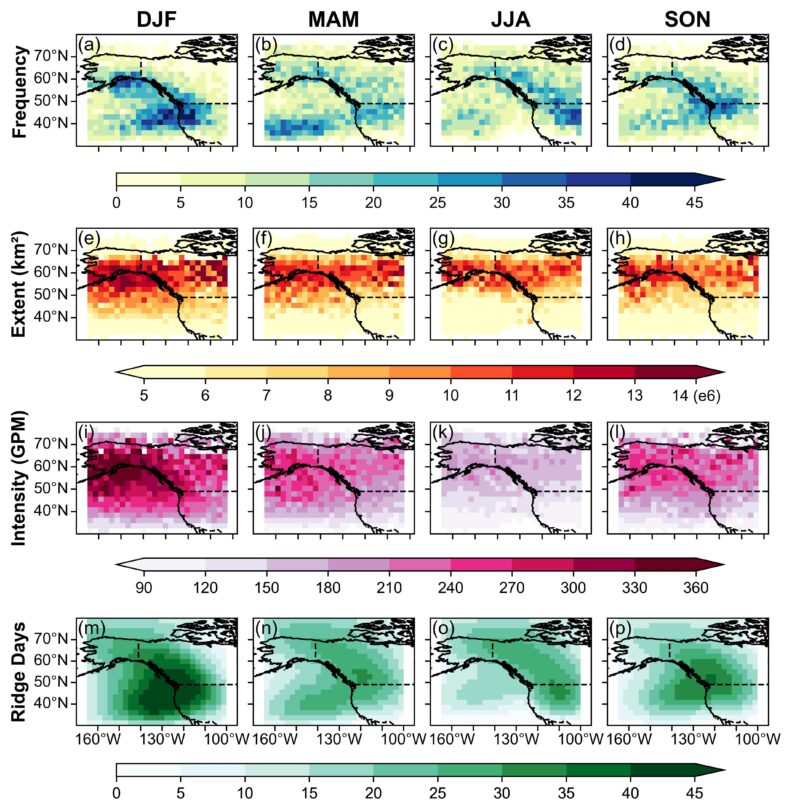
Large-scale weather patterns have an important influence on surface climate and extremes. For instance, our work showed that the occurrence of concurrent “warm-West/cool-East” surface temperature extremes, which we referred to as the “North American winter temperature dipole” are associated with a pattern of anomalous mid-tropospheric ridging over western North America simultaneous with downstream troughing over eastern North America. Atmospheric ridges are regions of high atmospheric pressure relative to the surroundings that are a key part of the midlatitude circulation. Ridges are typically associated with hot and dry conditions locally in the warm season and can also influence other surface extremes outside of the warm season. For instance, the 2021 Pacific Northwest Heatwave and the 2020 Labor Day Fires that burned across Oregon and Washington were associated with ridges. There are still many unknowns about the atmosphere-ocean-land-surface conditions that affect their characteristics and how they are likely to change with warming. We are currently conducting research to advance our understanding of the Earth system interactions that influence atmospheric ridges over western North America and investigate how/why ridges respond to climate variability and change, with a focus on extreme ridges (very large, very intense, and/or very persistent ridges).
Select publications:
- X. Bai, Loikith, P., Kalashnikov, D.A, Bigalke, S., Liu, P., and D. Singh “Climatology of Atmospheric Ridges across Western North America and their Relationship with ENSO”, in review
- P. Loikith, D. Singh, and G. Taylor, “Projected Changes in Atmospheric Ridges Over the Pacific-North American Region Using CMIP6 Models”, Journal of Climate, 35(15), 5151-5171, 2022
- D. Singh, Swain, D.L., Mankin, J.S., Horton, D.E., Thomas, L., Rajaratnam, B. and N.S. Diffenbaugh, “Recent amplification of the North American winter temperature dipole”, JGR-Atmospheres, 121, 2016
- D.E. Horton, Johnson, N.C., Singh, D., Swain, D.L., Rajaratnam, B., and N.S. Diffenbaugh, “Contribution of changes in atmospheric circulation patterns to extreme temperature trends”, Nature, 522, 465-469, 2015
Impacts of Climate Variability and Change on Agriculture
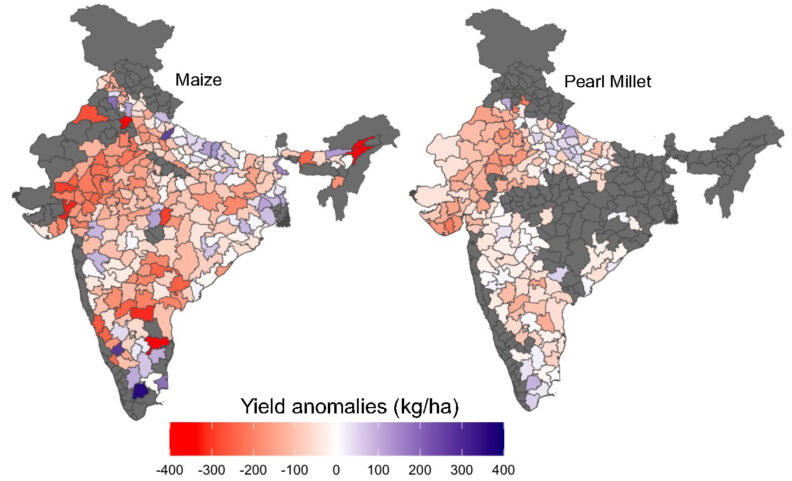
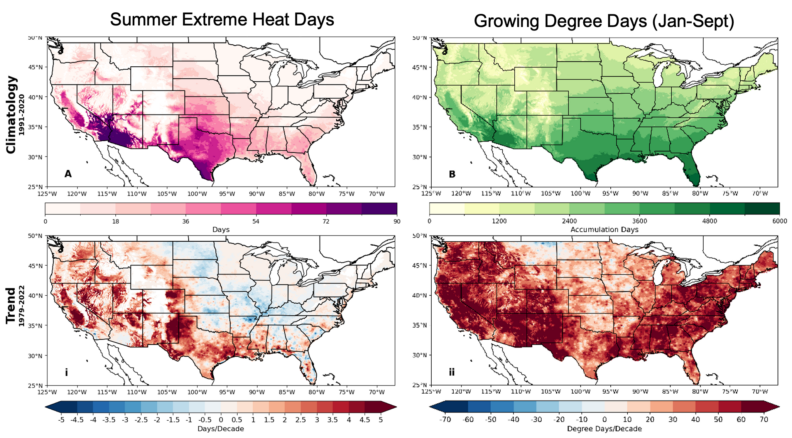
Suitable climate conditions are critical for crop growth and some crops are highly sensitive to the exceedance of climate thresholds. The recent occurrence of extremes have affected agriculture in many ways including through temperature, drought or sunburn-driven yield reductions or widespread damages to crops from flooding. For example, the 2021 Pacific Northwest heatwave resulted in ~60-100% losses in several fruit trees and berries in the region and the 2022 Pakistan floods resulted in losses of ~80% of the expected rice production in certain provinces. We aim to understand the impacts of climate variability and extremes on understudied crops in different regions to inform predictability and assess food security impacts. One recent project in this area has focused on understanding the influence of climate variability on Indian monsoon cereals including rice, maize and traditional grains (millets and sorghum). Another project, in collaboration with WSU Tree Fruit Research and Extension Center, has focused on examining changes in climate metrics that affect the phenology of apples from bud break and flowering to color development and sweetness. We are using large-ensemble climate simulations to understand the compounding climate risks to such high-value tree fruit crops across the US.
Select publications:
- S. Preston, Rajagopalan, K., Yourek, M., Kalcsits, L., and D. Singh, “Changing Climate Risks for High-Value Tree Fruit Production across the United States”, accepted for Environmental Research Letters
- M. Gurazada, McDermid, S., DeFries, R., Davis, K.F., Singh, J., and D. Singh, “El Niño and positive Indian Ocean Dipole conditions simultaneously reduce the production of multiple cereals across India”, Environ. Res. Lett. 19 104059
- D. Singh, A. Karembelas, K.F. Davis, A. Chhatre, P. Kinney, and R. DeFries, “A systems perspective on assessing the compound human health impacts of climate change, air quality, and agriculture”, One Earth, 4, 9, 2021
Impacts of Climate Variability and Change on Health
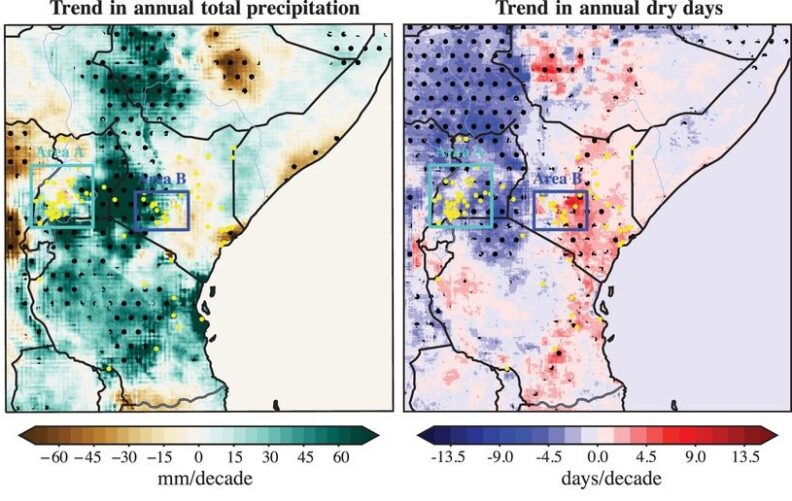
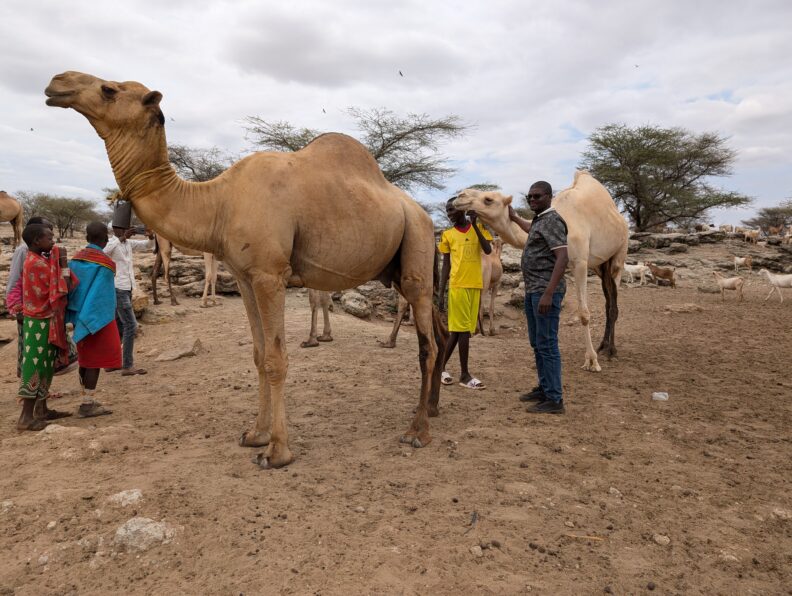
Changing climate conditions and extremes are affecting the health and well-being of communities around the world in diverse and complex ways. We are part of a multidisciplinary effort to investigate climate-related health risks to pastoral communities in East Africa and identify adaptation strategies and resources to minimize these impacts. Pastoralists are exposed to direct climate-related health hazards as well as health hazards from climate-driven changes to the health of their animals and their environment. We aim to understand these multiple exposure pathways that could lead to climate-related health risks to these communities using a combination of health data, climate data, and surveys. Thus far, we have examined how changing precipitation patterns are influencing the geography of Rift Valley Fever, a vector-borne disease endemic to the region that has severe impacts on livestock. We are also conducting semi-structured and structured surveys with members of the Rendille tribe in Northern Kenya to understand the health and livelihood risks faced by these communities during floods and droughts, the adaptation strategies that have been adopted, the effectiveness of existing strategies, and resource needs to reduce vulnerability. Work in this areas also includes investigating the physical processes associated with hydroclimate extremes affecting the region and their changes in a warming climate.
Select publications:
- Situma S., Nyakarahuka L., Omondi E., Mureithi M., Mweu M., Muturi M., Mwatondo A., Dawa J., Konongoi L., Khamadi S., Clancey E., Lofgren E., Osoro E., Ngere I., Breiman R.F, Bakamutumaho B., Muruta A., Gachohi J., Oyola S.O., Njenga M.K., Singh D. “Widening geographic range of Rift Valley fever disease clusters associated with climate change in East Africa.”, BMJ Global Health,2024;9:e014737
- A. Pisor, Touma, D., Singh, D., and Jones, J. To understand climate change adaptation, we must characterize climate variability: Here’s how. One Earth. 6. 1665-1676. 2023