Overview Thin Green Line Is People’s History Project
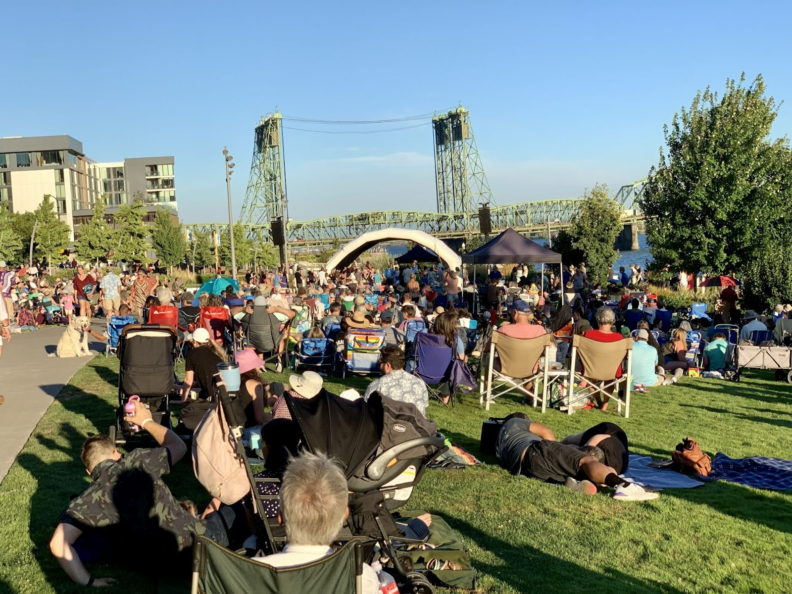
PHOTO : Crowd gathers at waterfront bandstand, Natalie Bicknell Argerious, TheUrbanist.org
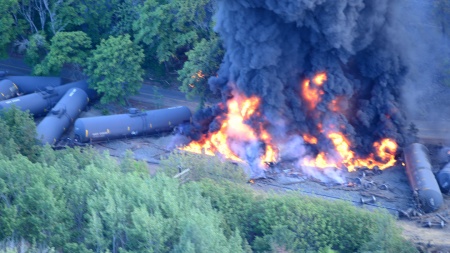
The Thin Green Line is People’s History Project (TGLIP) was born out of the imperative to preserve the history of the ongoing struggle to keep the region from being transformed into a toxic fossil fuel transport corridor, and of the local, national, and global lessons in organizing/coalition-building to be drawn from Pacific Northwest climate justice organizing, and the defeat of dozens of proposed projects.
The Thin Green Line is People’s History Project is an open source Tool Kit, Road Map, and Community Resource for a Fossil Fuel-Free Future, and a vital resource for communities who are already involved in the fight, along with lawyers, policy analysts, researchers, public health and medical professionals, and educators across disciplines in universities, community colleges–and K-12.
Voices from the archive:
The archive contains tens of thousands of pages of policy analysis, independently produced media, and hearing testimony from the hundreds of thousands of people who have submitted written comments and testified at public hearings from Bellingham, Washington to the Powder River Basin, including: Tribal Chairs and Elders, mayors, city commissioners, and representatives; port commissioners; nurses, physicians, oncologists and experts in public health; policy analysts for environmental NGOs; union leaders, firefighters, clergy, farmers, small business owners, poets, writers, journalists and filmmakers, professors, teachers, and school children.
The project includes a speakers bureau bringing first person narratives and organizing lessons to students and teachers across the region at high school, community college and university levels. The speakers bureau has served learning institutions including Portland State University, Portland Public Schools, Many Nations Academy and others.

When it comes to protecting the region from fossil fuel projects, the stakes are high and the risks very real. The curriculum TGLIP provides is not simply an abstraction or a classroom exercise. It is a vital lifeline of community survival and a (continual) revival as a matter of policy by all institutions thinking creatively to imagine – and create –a livable future.
The Thin Green Line is People’s History, is a community educational resource and a vision-making tool which helps coalesce public opinion not only on what the public-at-large does not want, but most importantly helps imagine and define a livable future in a perilous moment.

Oral history interviews conducted by the TGLIP staff and housed in the archive have aired on KBOO Radio, Portland’s community-supported radio station with an audience of 30,000. Interviews will soon be airing also on Open Signal Cable Television (with a range of 400,000 households in the Portland/Vancouver area). Additional related content by TGLIP staff has aired on KPFK (Los Angeles) along with Cascade PBS, Seattle, and YouTube extends the reach of TGLIP programming and collaboration.
For more information on The Thin Green Line is People’s History Project, contact desiree.hellegers@wsu.edu
For a centrally searchable database and archive that includes:
- videotaped testimony
- oral history interviews with activists involved in the struggle
- legislation, ordinances, and resolutions
- music and artivism of fossil fuel resistance
- lectures, talks, and more