Gartstein Infant Temperament Lab
Note: This site is temporarily under content review. Some pages are not available at this time. Please check back.

We want children and families to thrive.
We are passionate about infant temperament research and seek to find the key identifiers for early precursors to diminish the risk of adversity correlated with full-blown disorders (e.g. anxiety and depression) later in childhood and adulthood. These disorders cause a great deal of suffering and impairment.
Our mission is dedicated to the healthy social-emotional development of children and families.
Our research focuses on the social-emotional development with an emphasis on identifying typical trajectories of temperament development. We prioritize early childhood and parental contributions to both temperament development as well as routinely examine the emergence of symptoms and/or behavior problems. We also collect the risk and protective factors relevant to the development of psychopathology.
Participate in an Infant or Toddler Study
Are you and your baby or toddler interested in participating in the cutting-edge research conducted by Washington State University’s Gartstein Infant Temperament Lab? Join us to help children and families thrive!
Research Categories

Biological Underpinnings
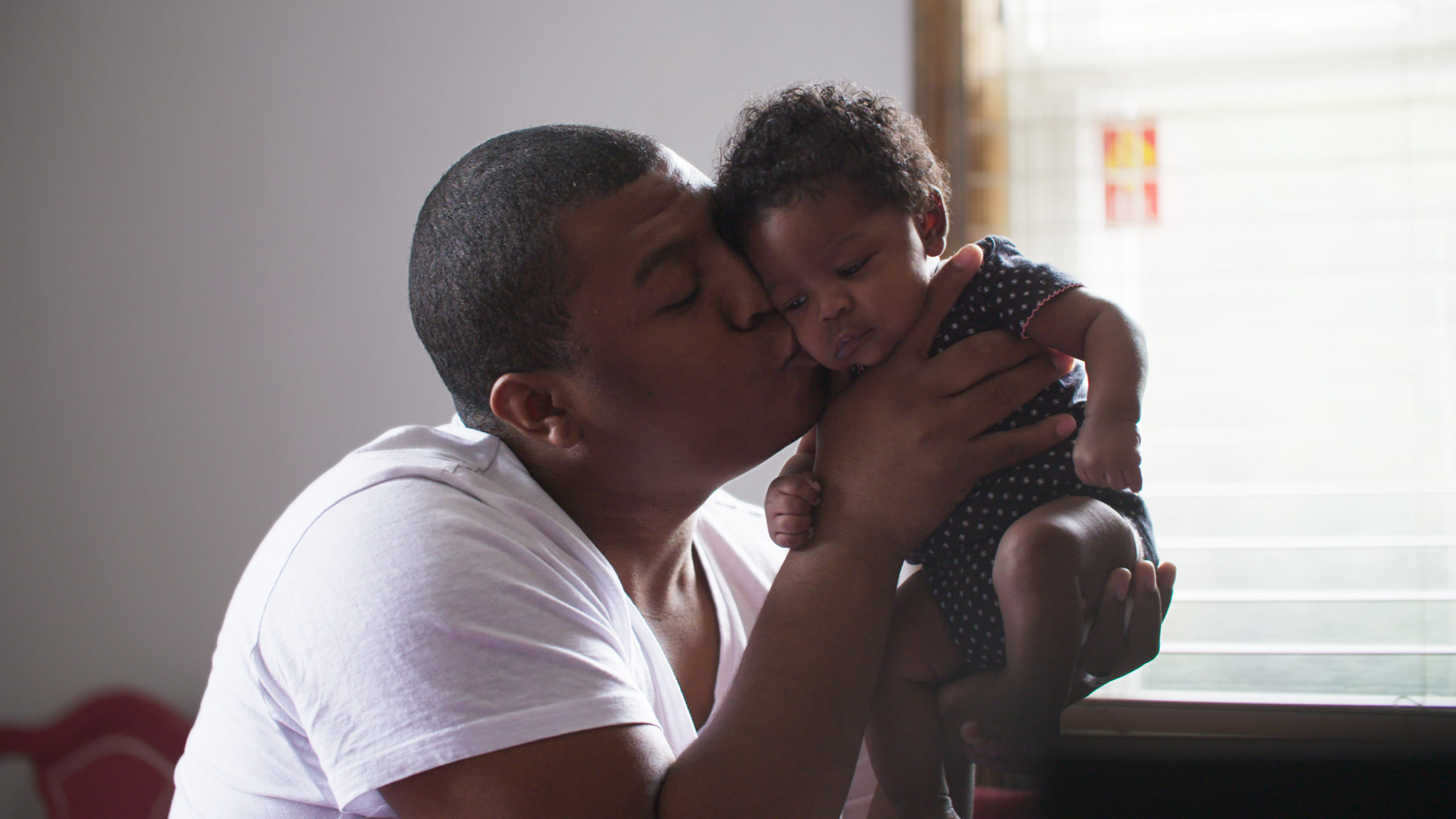
Child Temperament

Cross-Cultural Differences

Developmental Psychology
What to expect
- How is my participation beneficial? Parents who participate in our research become better observers of their child’s behavior after their time in the lab. Your participation also helps us learn how temperament develops and how parents’ experiences may be related to child development.
- Will I be separated from my baby at any point during a lab visit? No. You will remain in the same room as your baby for the entire visit.
- Is childcare available for siblings? Yes! Please let us know before the lab visit. We can schedule extra research assistants to watch siblings that join you and your baby on lab visits.
- Can my partner join me and my baby on lab visits? Absolutely! We typically only have one parent in the same room as the baby during a lab visit, but partners are welcome to be in the room during breaks and while we put the EEG cap on the baby. They are able to watch the entire lab visit live on camera and get to see some of the “behind-the-scenes” of how we run lab.
- What do I need to bring for a lab visit? Bring your baby and anything you would typically have with you when you leave the house (e.g., a bottle, pacifier).
- What days/times are available for lab visits? Lab visits are scheduled at your convenience! We typically schedule lab visits Monday – Friday between 8:30am and 4:30pm, and weekends between 9:30am and 3:30pm.
- How long are lab visits? Lab visits are scheduled for one hour, though sometimes take less time. We build in extra time so you and your baby can get comfortable in our lab space and take breaks as needed.
- Will I get reimbursed for gas money if traveling from far away? Additional gift cards may be given to participants who drive extended distances to come to lab visits. The gift card amount is handled on a case-by-case basis. Reach out to our project coordinator at temperament.lab@wsu.edu to ask if you would be eligible.
Research Overview & Testimonials
Learn more about our research team, local and global collaborators, what to expect as a research participant, and read testimonials from past lab participants. Check out our Research Overview & Testimonial videos to see the impact we can have together around the world.
- Explore more about the Gartstein Temperament Lab.
- Read about us in Greater Good Magazine – Our Favorite Parenting Books of 2024

Special Thanks to Our Research Funders & Supporters

The National Institute of Health (NIH)
The National Institutes of Health is the largest public funder of biomedical research in the world. NIH-funded research has led to breakthroughs and new treatments to help people live longer, healthier lives, and build the foundation for discovery.

The National Science Foundation (NSF)
NSF is an independent federal agency that supports science and engineering in all 50 states and U.S. territories. They support America’s colleges and universities for basic research: research driven by curiosity and discovery.