 What is Electrocardiography (ECG) ?
Electrocardiography (ECG) is a method of collecting electrical signals from the heart, providing a real-time measure of physiological arousal. While heart activity is often linked to physical exertion, it is also closely tied to emotions and cognitive processing. By measuring ECG, we can gain insight into psychological states such as attention, emotional engagement, and stress responses—all of which influence how people interact with media and advertisements.
How it Works
The heart is not just a mechanical pump; it is deeply connected to the brain, and its activity adjusts based on emotions, attention, and cognitive load. The autonomic nervous system (ANS) regulates heart rate through:
- Sympathetic activation (arousal) → Increases heart rate (HR), indicating heightened engagement or stress.
- Parasympathetic activation (relaxation) → Slows heart rate (HR deceleration), linked to deep cognitive processing and attention.
This means that heart rate patterns reveal whether someone is actively engaged, stressed, or disengaged while interacting with media content.
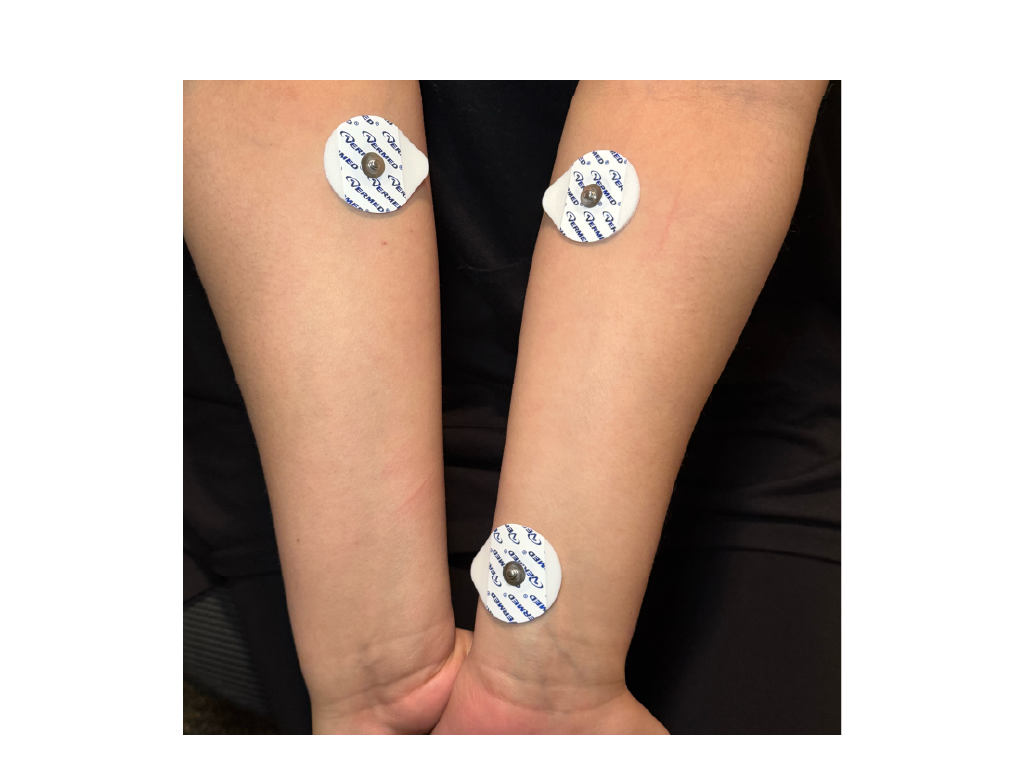
The heart generates electrical impulses that regulate its rhythm and contractions. ECG captures these signals using small electrodes placed on the body, which detect variations in heart activity. These variations provide key physiological metrics:
- Heart Rate (HR) – The number of beats per minute, reflecting arousal and engagement levels.
- Heart Rate Variability (HRV) – The variation in time between heartbeats, linked to emotional regulation and cognitive effort.
- Inter-Beat Interval (IBI) – The precise time between heartbeats, offering detailed insights into stress and focus.
Changes in these signals indicate how the body responds to media stimuli, allowing us to study engagement, attention, and emotional reactions in real-time.
Why Do We Measure Heart Activity in Our Studies?
At the Murrow Media Mind Lab, we use ECG to study how audiences process media, engage with content, and respond emotionally to advertisements. Heart activity provides a real-time, objective measure of engagement, allowing us to go beyond self-reported emotions.
Measuring Emotional & Cognitive Responses
- Tracking Arousal Levels – Heart rate (HR) and heart rate variability (HRV) indicate whether a person is excited, calm, or disengaged while interacting with media.
- Differentiating Emotional Intensity – Large fluctuations in HR and HRV suggest heightened emotional reactions, whether positive (joy, excitement) or negative (stress, fear).
Understanding Attention & Engagement
- Assessing Focus – A slower heart rate (HR deceleration) means the person is deeply engaged and actively processing the content.
- Identifying Key Moments – HR and HRV help pinpoint which parts of an ad, video, or interactive experience hold the most attention.
Studying Stress & Decision Making
- Evaluating Cognitive Load – Lower HRV suggests mental overload or stress, helping researchers understand when content may be too complex or overwhelming.
- Analyzing Behavioral Responses – Heart activity patterns reveal how stress influences choices, such as purchasing decisions, risk-taking, or user retention.
How We Measure Heart Activity in Our Lab
We use iMotions and BIOPAC systems to accurately collect and analyze ECG data, providing real-time insights into audience engagement and physiological responses.
Heart Rate ECG Recording Process:
- iMotions Software – Synchronizes ECG with eye tracking, facial expression analysis, and EDA, creating a comprehensive view of physiological and emotional engagement.
- BIOPAC Systems – Enables short-term, long-term, and mobile ECG monitoring, ensuring accurate data collection across different research environments.
- Automated ECG Analysis – Detects heart rate fluctuations, HRV patterns, and real-time responses to stimuli, helping researchers analyze audience reactions on a deeper level.
ECG Sensors In Action
Why It Matter?
By studying heart activity through ECG, we gain a scientific, data-driven understanding of how people emotionally and cognitively engage with media. These findings help businesses, educators, and researchers develop and enhance content. Understanding how the heart responds to media stimuli allows for smarter, more ethical, and more effective content creation—ensuring that messages truly resonate with audiences.