Strategic Comm – Service Learning Projects
Ensure a brand’s message is clear and consistent everywhere. This involves combining advertising, social media, and public relations to tell a brand’s story in a way that connects with people. Think of it as making sure all the different ways a brand talks to its audience work together to create a robust and unified message.
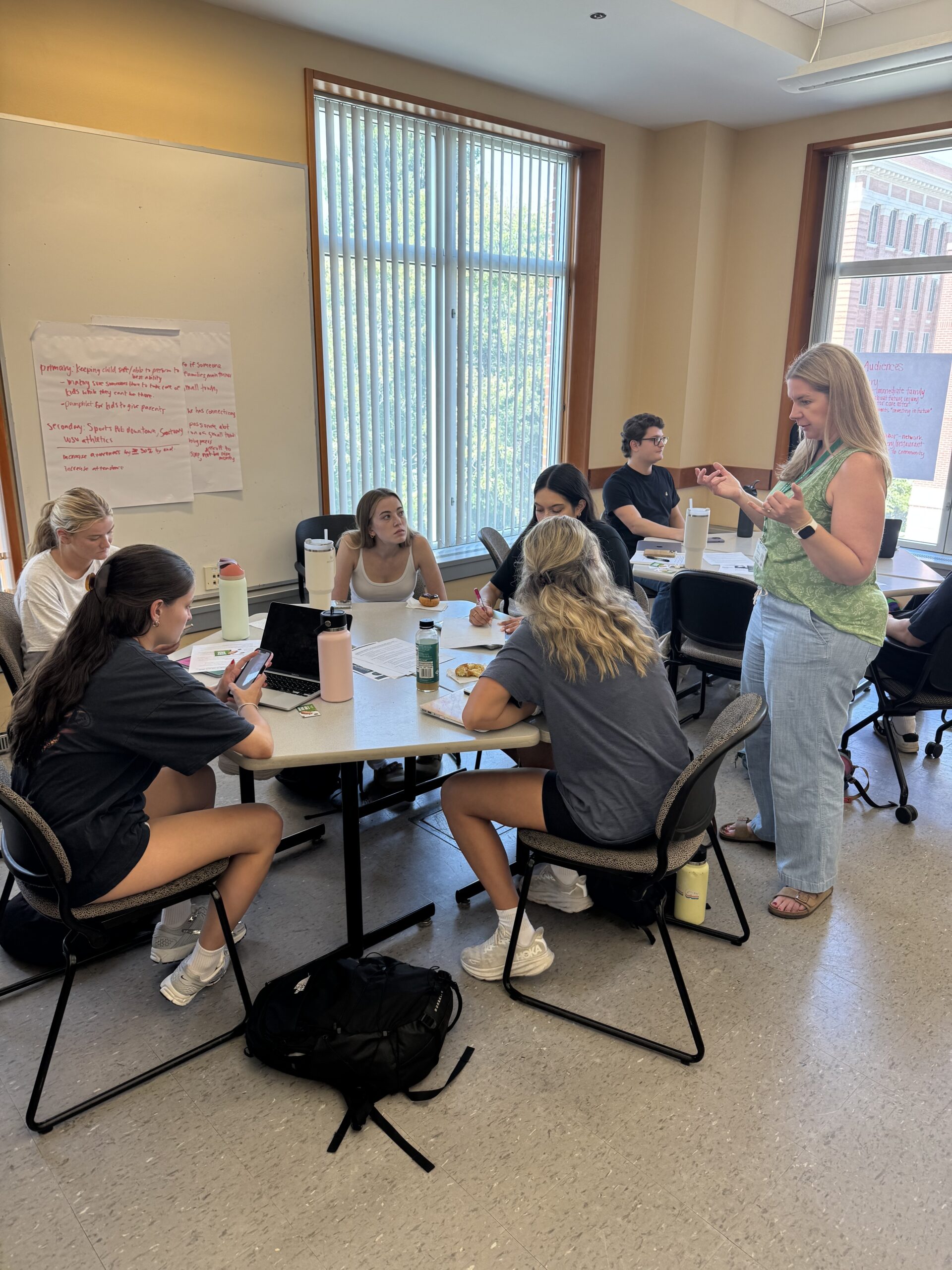
Through the Murrow College’s Integrated Strategic Communication program and the Purpose Driving Lab, Communication Studies undergraduate students learn and apply communication theories through a service-learning focus. These projects help undergraduate students advance their knowledge in the field and find practical applications for that knowledge through professional development and community service.
What is Service-Learning?
Service-learning is a community-centered approach to education in which students engage in activities that address human and community needs, with the intention of promoting student learning through service-related initiatives and encouraging students to find practical application of the material they have learned in the classroom. (Jacoby, 1996). Service-learning is a teaching strategy that advances academic learning through civic engagement.
To learn more about service-learning, please visit the Washington State University Center of Civic Engagement to learn more about their projects.
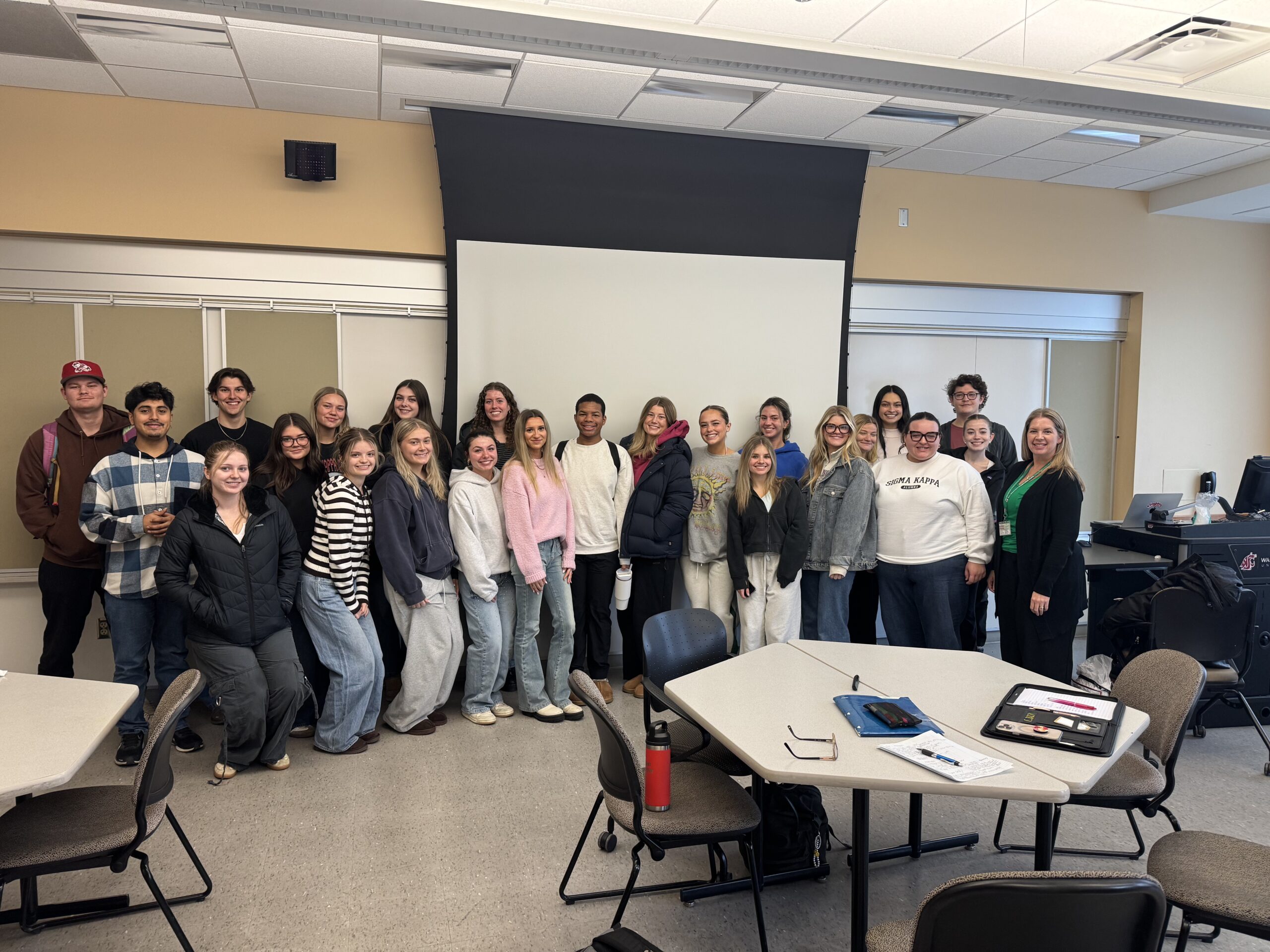
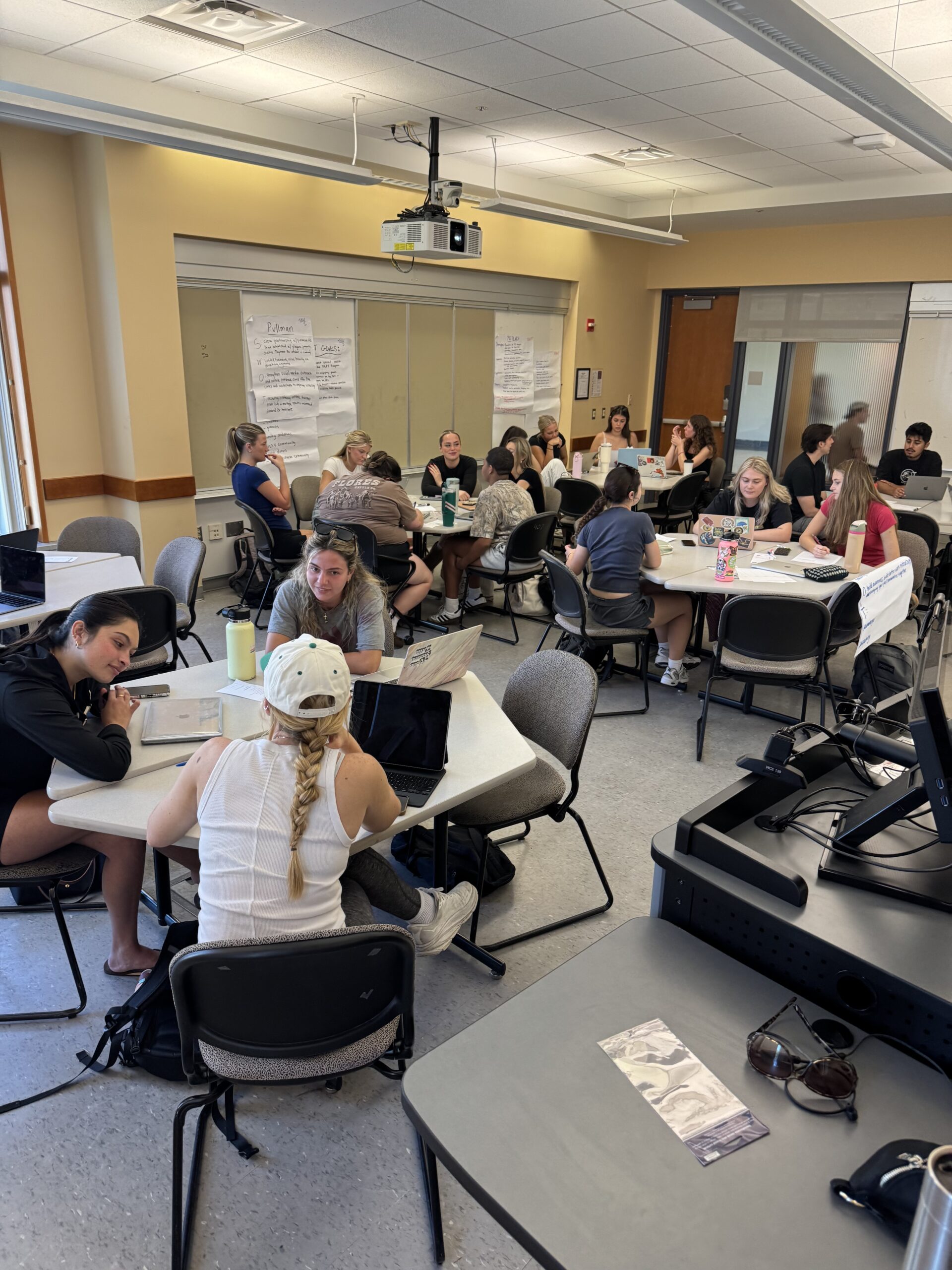
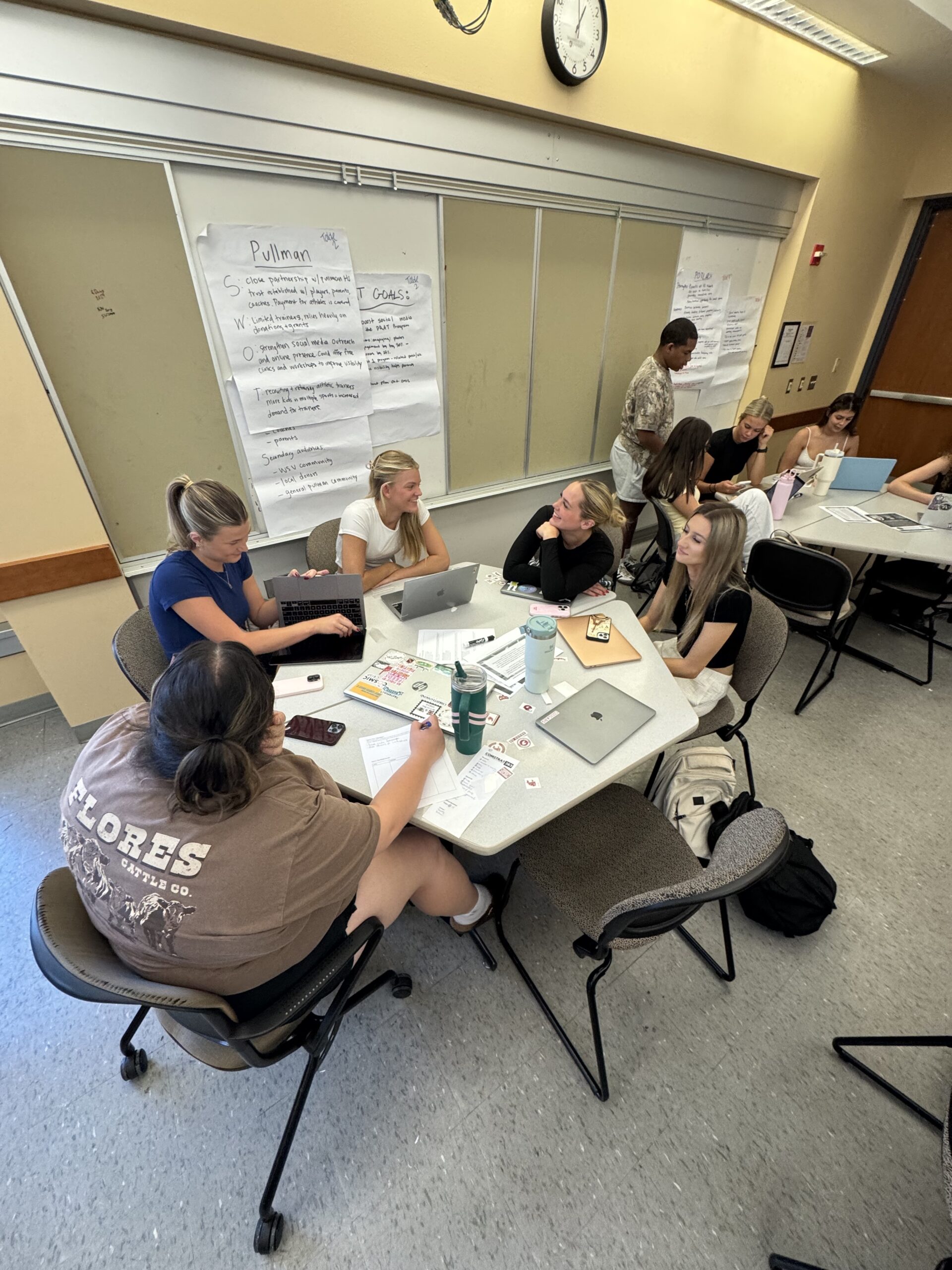
- Over the course of the term, 25 PR students invested approximately 23 hours each – combining direct client consultation, in-class strategy sessions, and independent production to generate 60 unique deliverables.
- These materials ranged from traditional news releases and business pitches to digital social campaigns and tangible pompom stickers for game-day engagement.
- By applying PR strategy to real-world health advocacy, students gained an understanding of public service, ultimately amplifying the voices of underserved rural programs and reinforcing the vital connection between strategic communication and community well-being.
- The materials they produced are slated for implementation over the next year across multiple channels as part of awareness and outreach with Pullman Regional Hospital, as well as the high schools’ e-newsletters, social media channels, athletic events, and websites.
Current Service-Learning Projects:
In the Spring 2026 semester, a specialized cohort of nine junior and senior strategic communication students in COMSTRAT 383: Media Strategies and Techniques at Washington State University in the Edward R. Murrow College of Communication is executing a service-learning project for the Pullman Regional Hospital (PRH) Foundation. Following a November 2025 groundbreaking, the hospital entered a critical $45-50 million phased expansion and renovation period. Operating as a professional PR consulting team, students are tasked with navigating the complex “construction phase” reality where initial project excitement often transitions into community fatigue.
The pedagogical focus is on developing a comprehensive, integrated communications strategy to maintain community trust and drive the capital campaign toward its final philanthropic goals. With a strictly limited budget of $5,000, students must leverage sweat equity and innovative strategy to mitigate construction-related setbacks, such as patient parking detours and noise disruptions. Utilizing the PESO (paid, earned, shared, owned) Model and RPIE (research, planning, implementation, evaluation) Framework, students are researching and producing a long-form strategic document and a suite of tactical materials, including regional media lists, digital assets, and experiential community initiatives. This project exemplifies public service by tasking students with a vital civic role: ensuring the community remains informed, engaged, and supportive during a transformative investment in regional healthcare infrastructure.
To learn more, you can click here to download the project’s presentation.
Previous Projects:
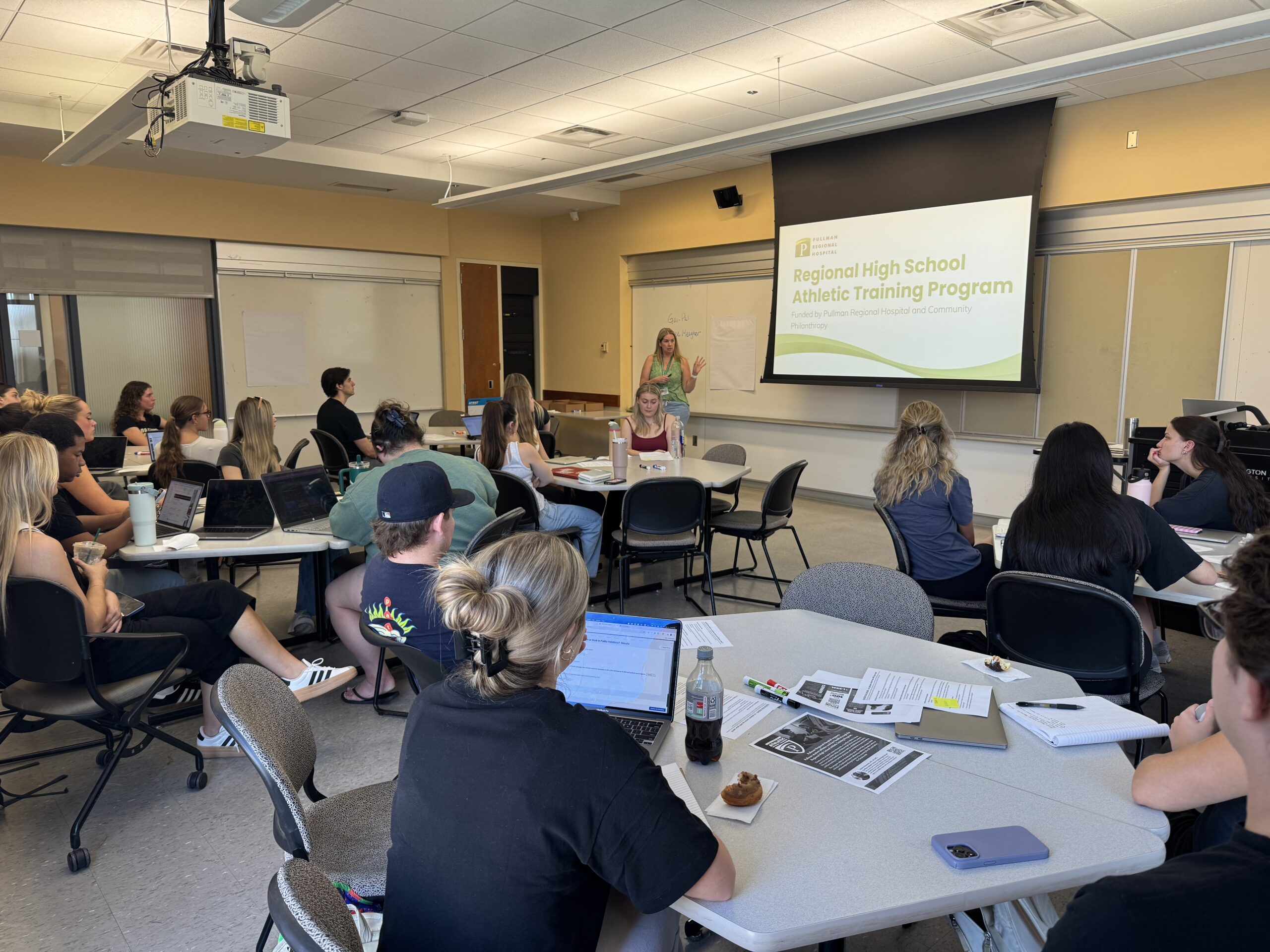
COMStrat 383 students focused on developing a marketing strategy for the Pullman High School athletic training program, focusing on how to build awareness around a program and how essential athletic trainers are in keeping student-athletes safe, supported, and able to perform their best both on and off the field.
Students focused on building a clear style guide for promotional branding, such as postcards, emails, newsletters, social media posts, and developing promotional products to highlight the value of the Pullman High School athletic training program.
To learn more, you can click here to download the project’s presentation.
COMStrat 383 students focused on raising awareness of the Athletic Training Program and its benefits for student athletes. This group did the following to accomplish their goals:
- We used both digital and traditional tactics to reach the Potlatch community.
- Used local businesses and sponsorships to engage the community.
- Built sustainability through an email funding campaign.
- Created awarness to the issues through infographics and social media posts
To learn more, you can click here to download the project’s presentation.
Over the semester, this group worked as a team to promote a donation-led athletic training program for small rural high schools. We helped see how strategic communication can directly support community well-being. Collaborating challenged us to think creatively about how to raise awareness of an issue that often goes unnoticed, despite its real impact on student safety. The group learned how to tailor messages to specific audiences, balance multiple media tactics, and adjust our approach based on feedback. Overall, the project reinforced the power of thoughtful strategy to elevate important causes and give underserved communities a strong voice.
To learn more, you can click here to download the project’s presentation.