Biosolids Research
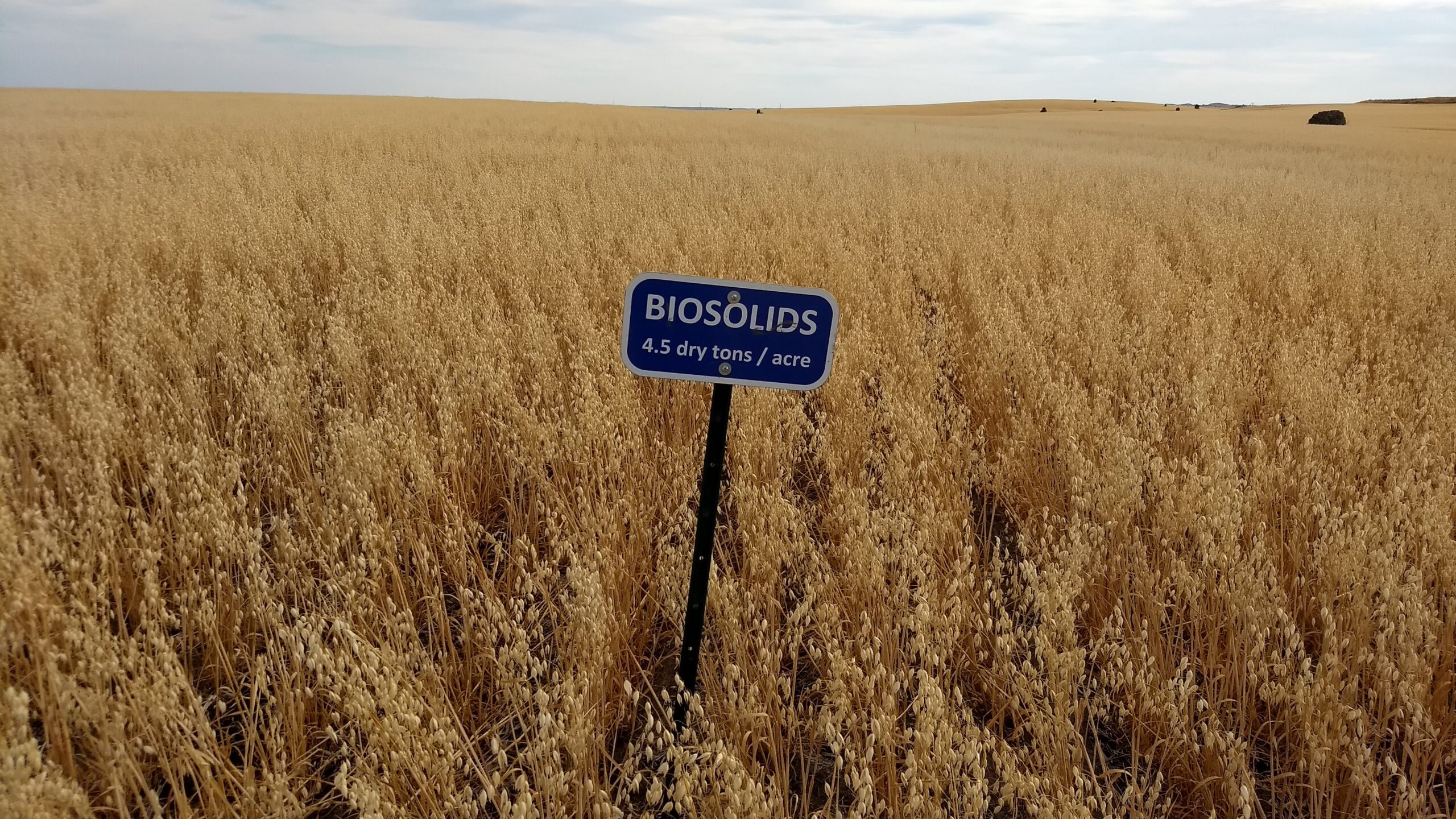
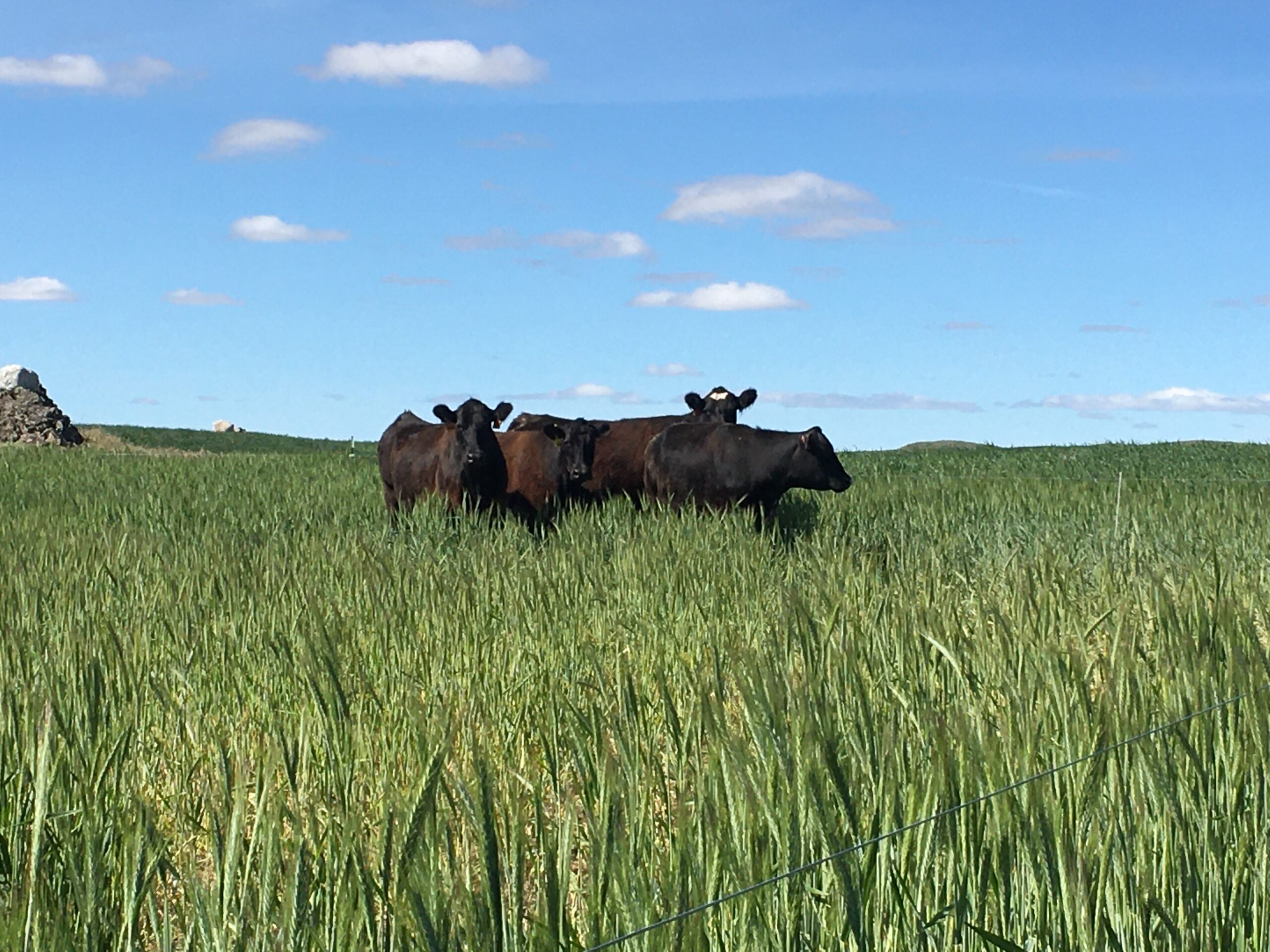
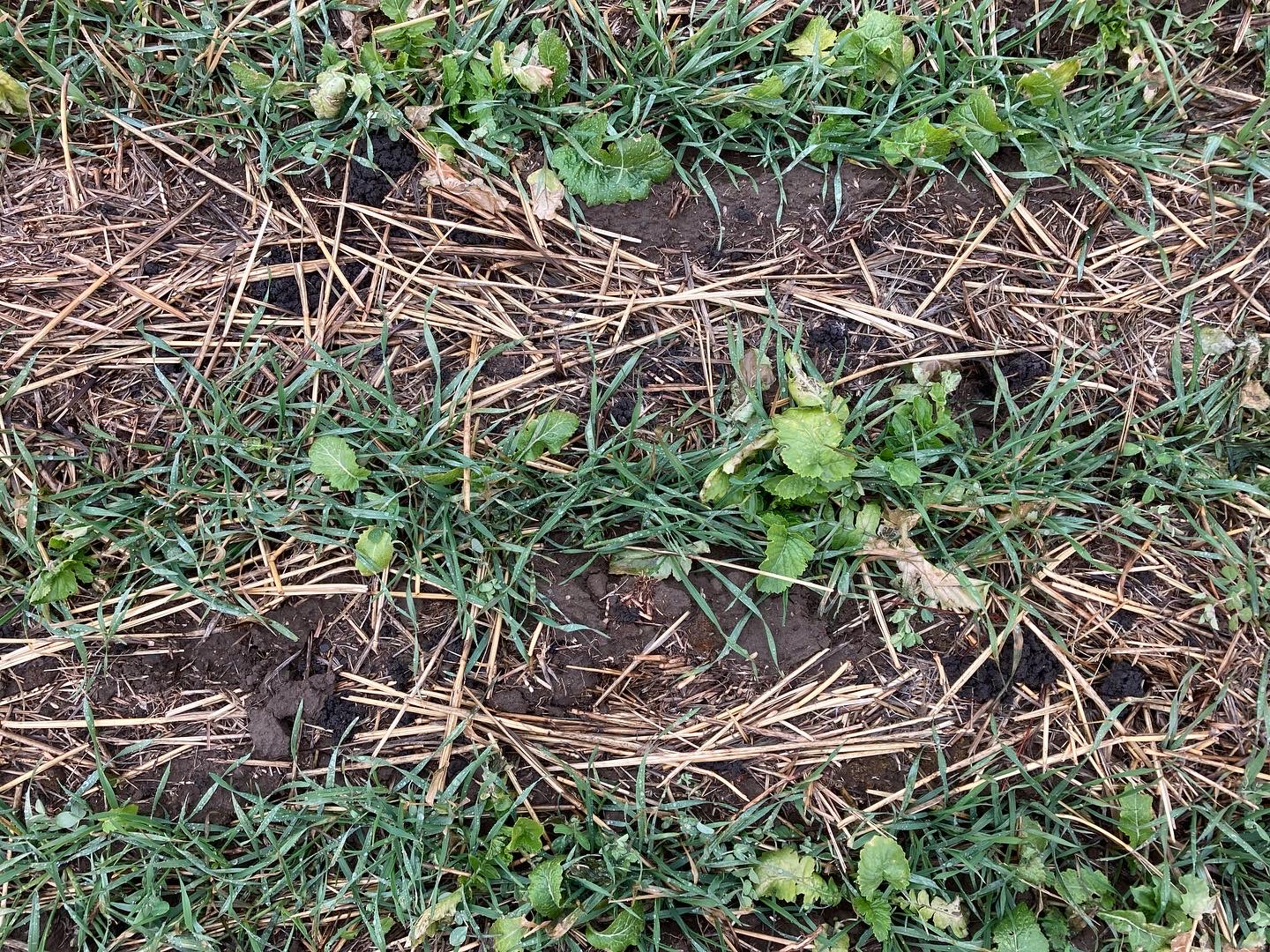
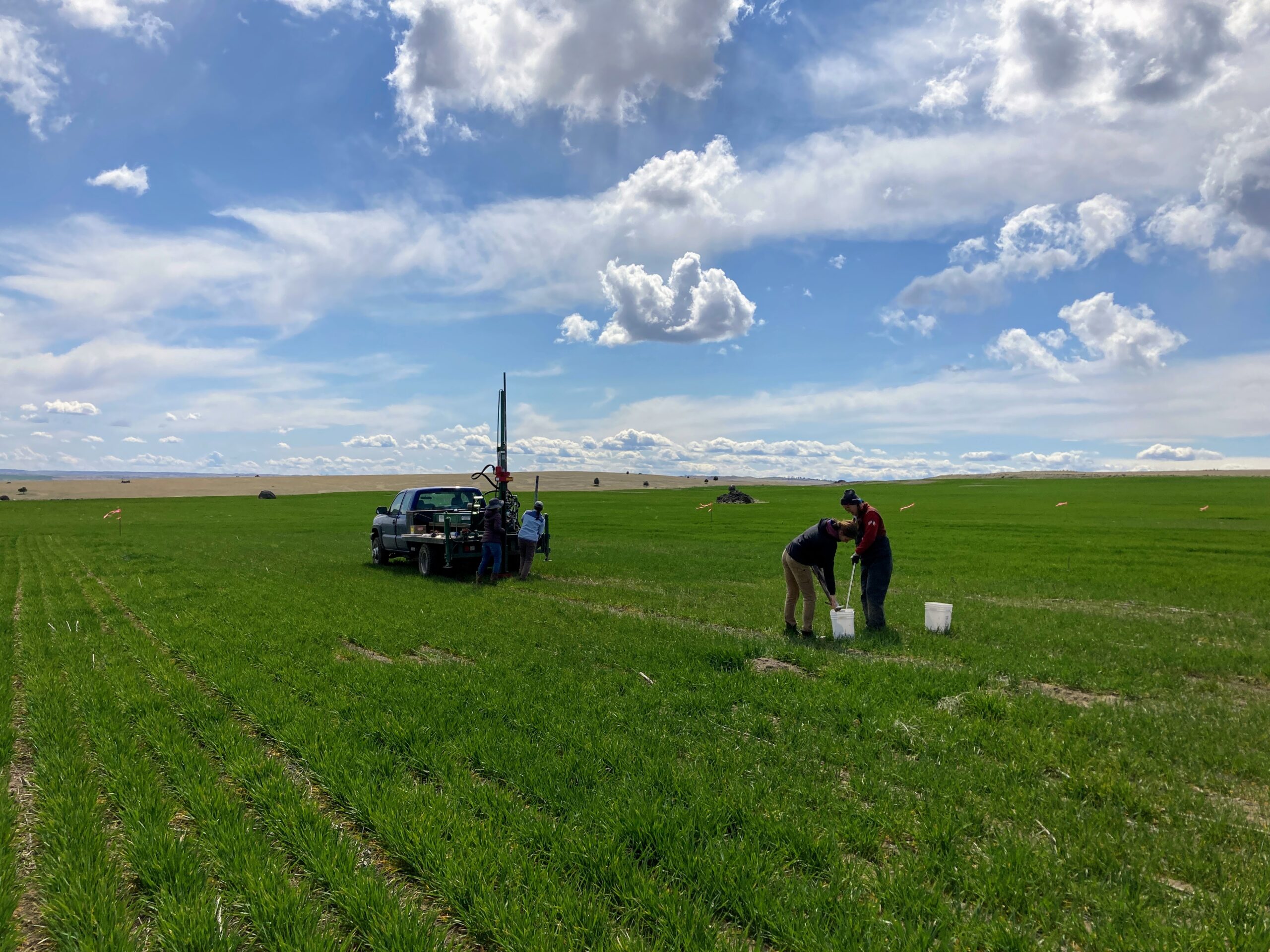
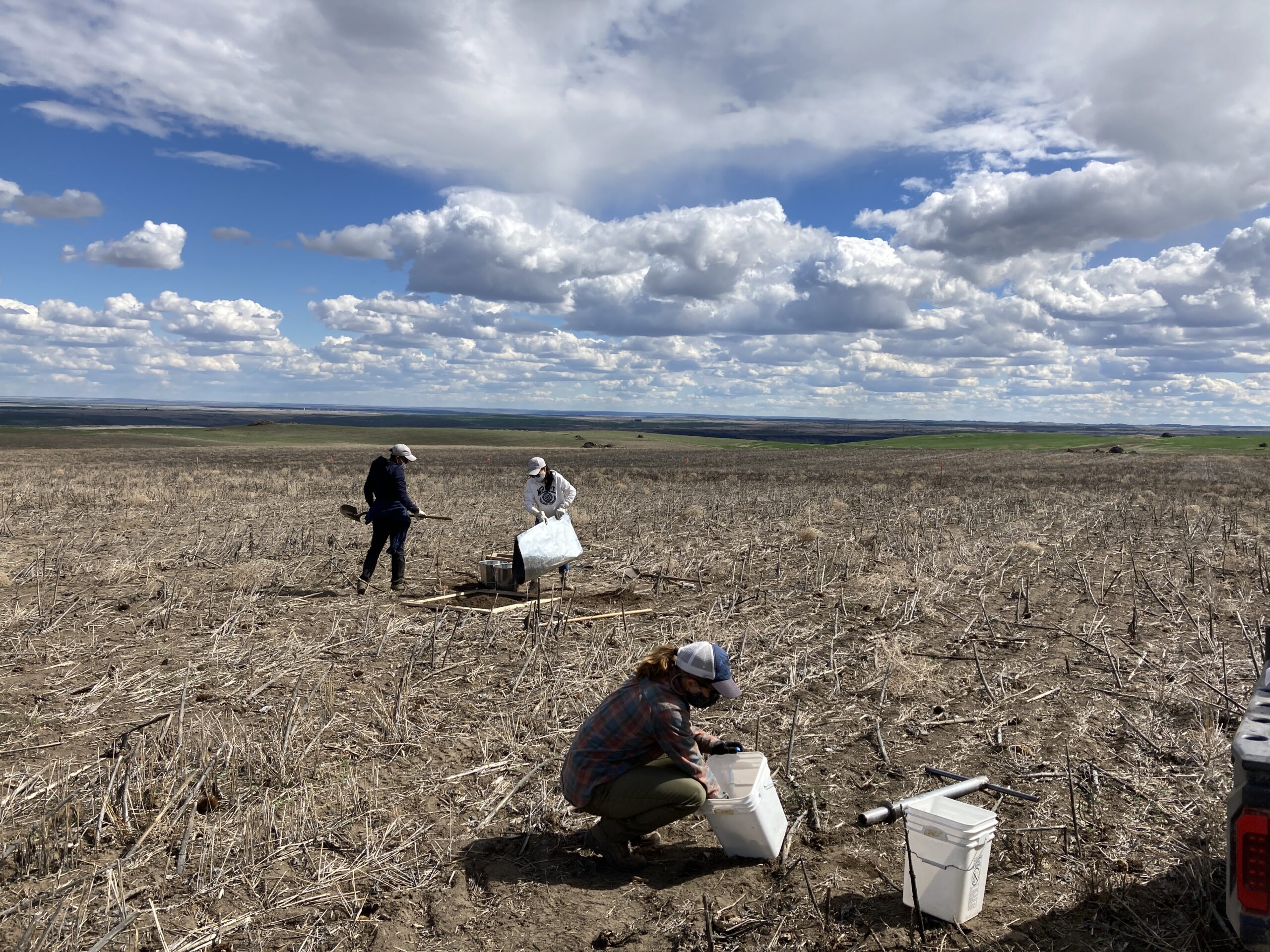
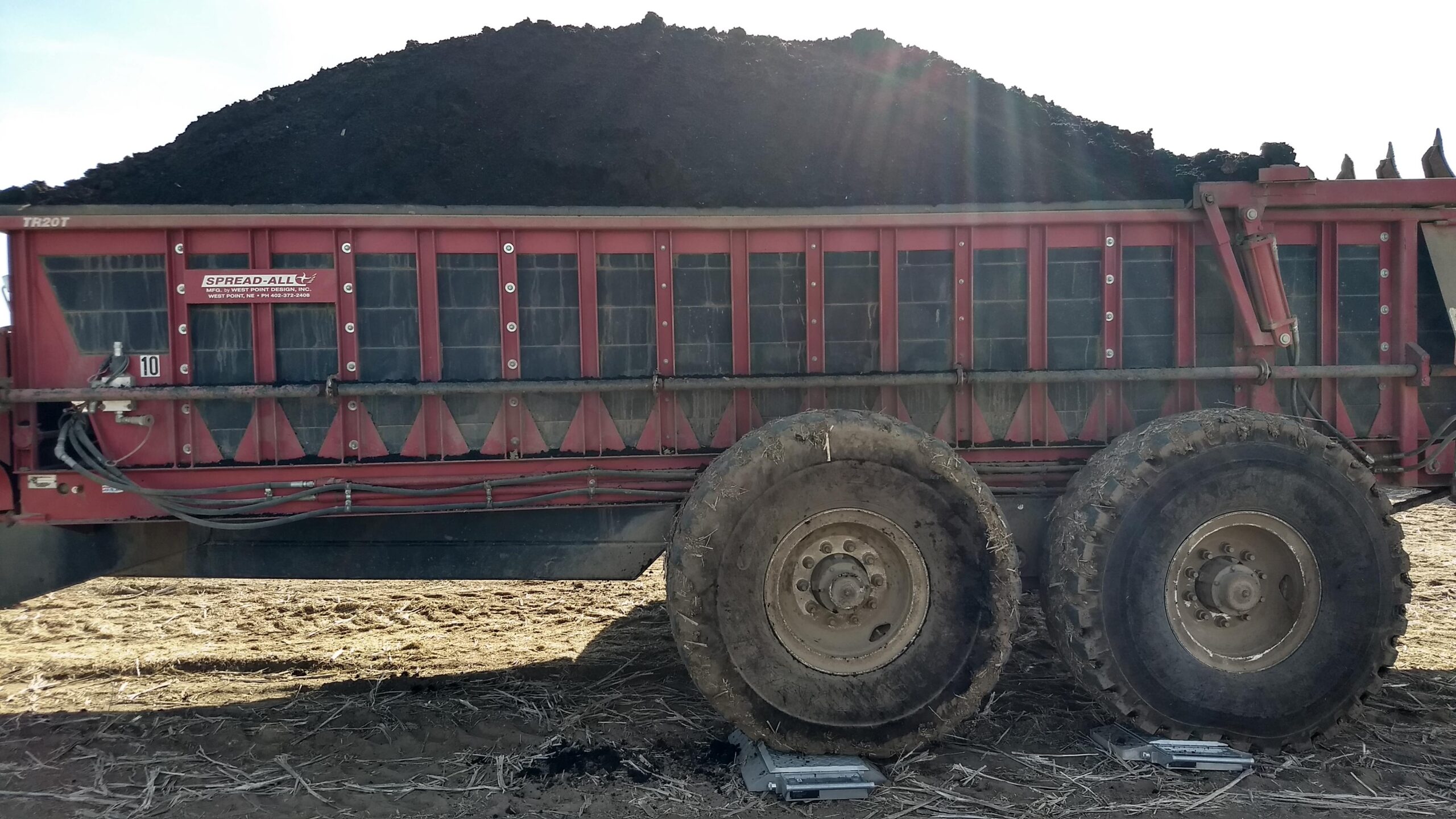
We are studying the soil health and agronomic impacts of long-term biosolids applications and cover crop grazing in dryland grain systems in north central Washington, where crops rely on ~10 inches of annual precipitation. Biosolids are treated wastewater products that can be land applied as an alternative to synthetic fertilizers (learn more from this King County article). Biosolids provide a source of organic matter to dryland systems and have the potential to improve soil structure and aggregation, which can improve the soil’s ability to hold and infiltrate water, decrease compaction, reduce erosion, and improve soil organic carbon and nitrogen availability. Our research investigates how biosolids influence physical, biological, and chemical soil health properties, and whether biosolids can help growers establish cover crops in these semi-arid dryland systems.
Learn more:
- Listen to this Wheat Beats podcast episode about biosolids applications in WA and our long-term research
- Watch PhD Candidate Madeline Desjardins’ 3-minute Lightning Talk on her research for the FFAR Fellows Competition
- Watch Madeline Desjardins give an Ignite talk on her research at the 2023 SoilCon virtual conference
- Biosolids Resources from WSU Puyallup
Related journal publications
- Desjardins, M. , J. Ippolito, A.I. Bary, S.B. Cappellazzi, D. Liptzin, D. Griffin-LaHue. 2025. Long-term biosolids applications improve key soil health functions for semi-arid dryland systems. Science of the Total Environment 997, 180130. https://doi.org/10.1016/j.scitotenv.2025.180130
Related Extension publications
- PNW 511: Worksheet for Calculating Biosolids Application Rates in Agriculture (Updated Jan 2021)
- PNW 508: Fertilizing with Biosolids(Updated April 2022)
- PNW 716: Biosolids in Dryland Systems (Updated Feb 2021)