Long-Term Agroecological Research and Extension (LTARE) Site
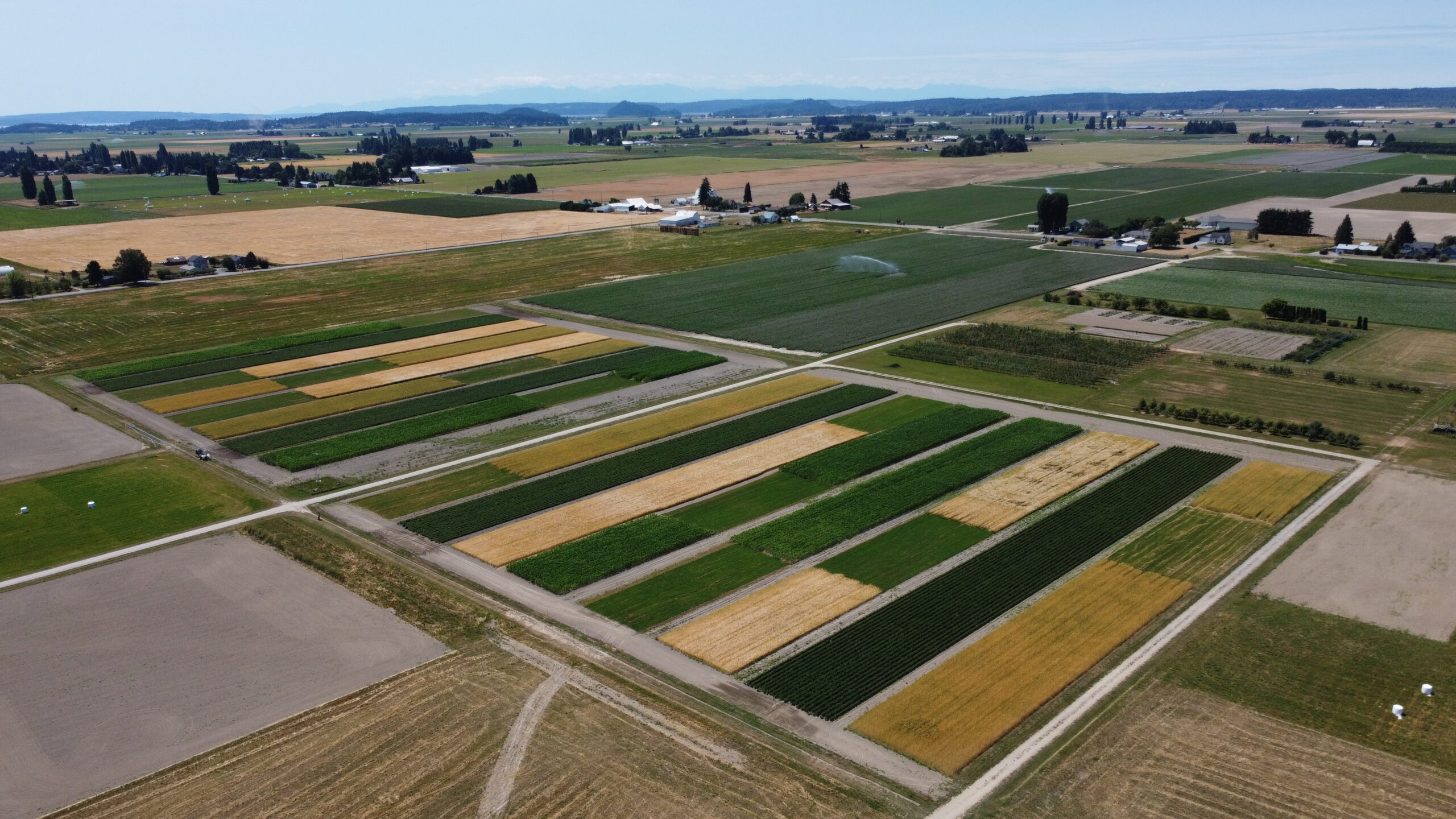
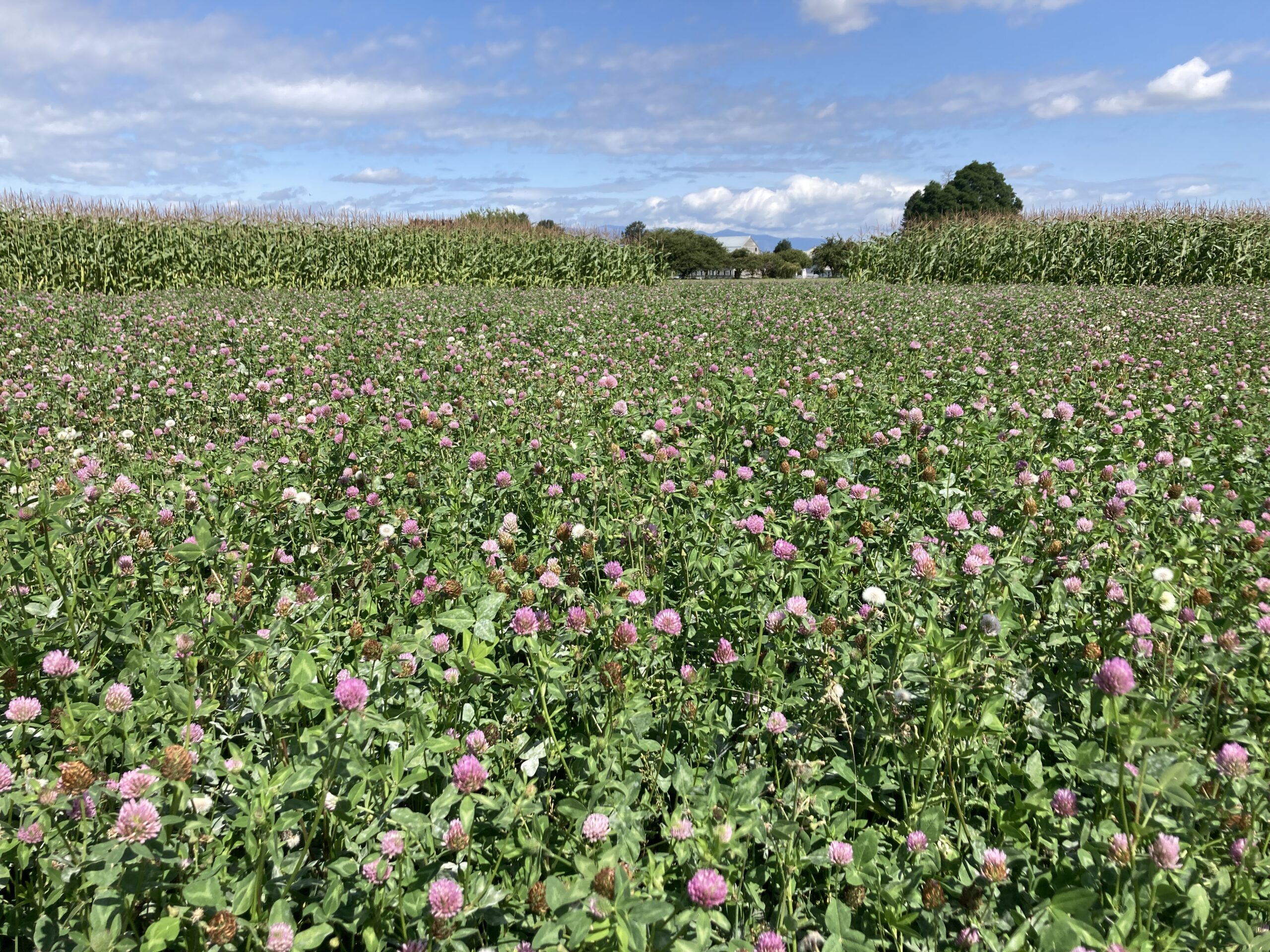
The Washington Soil Health Initiative (WaSHI) has funded a network of Long-Term Agroecological Research and Extension (LTARE) sites, and the LTARE site representing annual cropping systems in Northwestern Washington was the first to be established in 2021. The 16-acre field experiment represents the fresh market potato-based rotations that are common in our region. Our experimental treatments are systems along a continuum of organic matter inputs and soil disturbance. We have a dedicated external advisory committee and are collaborating with weed scientists, entomologists, plant pathologists, plant breeders, and economists to understand the long-term effects of these systems on soil health and other agronomic and ecosystem outcomes. This site has also allowed us to leverage federal funding with the Soil to Society project. This project is co-led by Dr. Gabe LaHue.
Learn more:
- Check out more details on our NWREC LTARE
- View a one-pager about WA’s LTARE site network
- Read this blog by NWREC LTARE Co-Leads Gabe LaHue and Deirdre Griffin LaHue on ‘What it takes to start a long-term experiment’
- Check out Deirdre’s SSSA Soils Matter blog post on soil health in potato systems