We study links between environmental variation and physiological variation
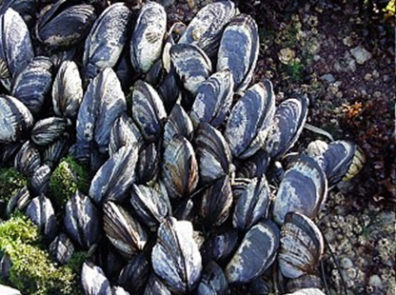
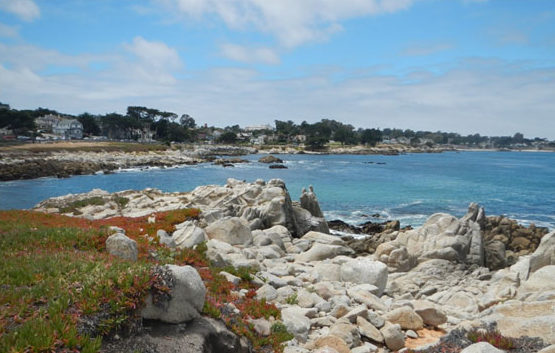
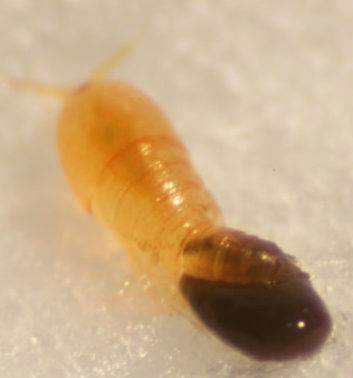
The overarching research goal of the Dowd laboratory is to understand the interactions between environmental variation and physiological variation. We focus on the rocky intertidal zone for this work, and current model systems studied in our lab include mussels (in the genus Mytilus) and tidepool copepods (Tigriopus californicus). We quantify small-scale spatial and temporal variation in the environment and then explore how it relates to inter-individual and inter-species differences in physiological function. To do this we mix field work at the coast with laboratory examination of whole-animal traits (thermal tolerance, growth, fecundity, behavior), protein expression patterns, and/or biochemistry (enzymatic activities, antioxidant capacity).
Going forward, we are particularly interested in:
- Identifying physiological and biochemical mediators of “cross-talk” between responses to multiple, covarying environmental stressors. These stressors include factors such as salinity, temperature, oxygen, pH, or food availability. Interactions between stressors sometimes yield surprising results, such as copepods that are more heat tolerant in saltier water. The physiological mechanisms that drive these interactions have clear consequences for broader ecological and evolutionary patterns.
- Connecting variation in molecular and biochemical phenotypes to variation in whole-animal performance.
- Exploring the community-level consequences of environmental variation and of inter-species variation in the capacity to cope with environmental change.
Click through the links at left to learn more about some of our ongoing research themes and to access our publications.