About The Gartstein Temperament Lab
Our research team addresses social-emotional development, primarily in early childhood, with an emphasis on identifying typical trajectories of temperament development, as well as risk and protective factors relevant to the development of psychopathology. In addition, parental contributions to both temperament development and the emergence of symptoms/behavior problems are routinely examined. We have been fortunate to collaborate with a number of wonderful colleagues at WSU, in the US, and abroad, with the latter group contributing to another area of research – cross-cultural study of temperament development and developmental psychopathology.
| Biological Underpinnings | Child Temperament | Cross-Cultural Differences | Developmental Psychology |
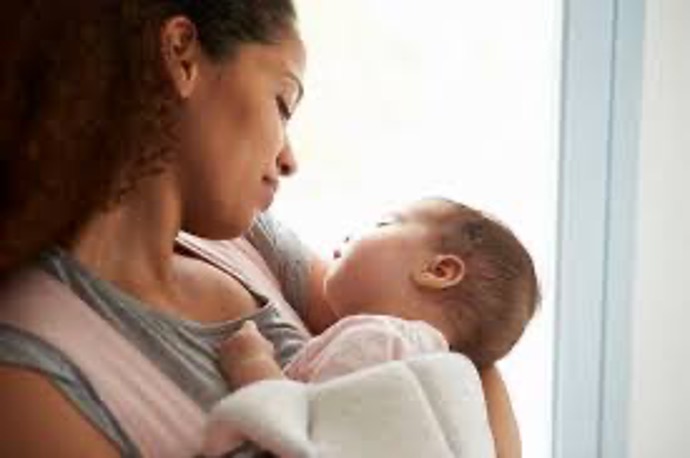 | 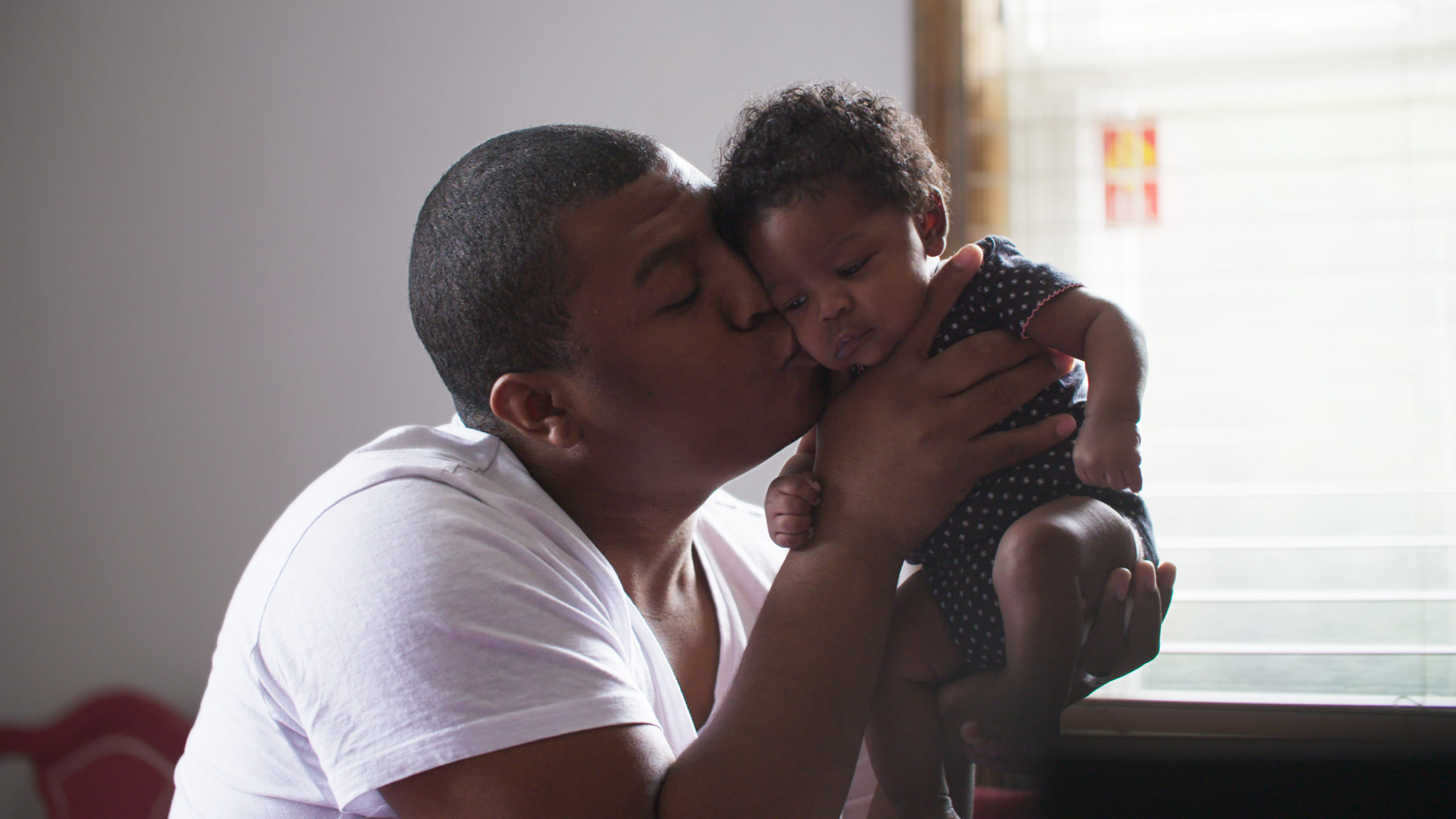 | 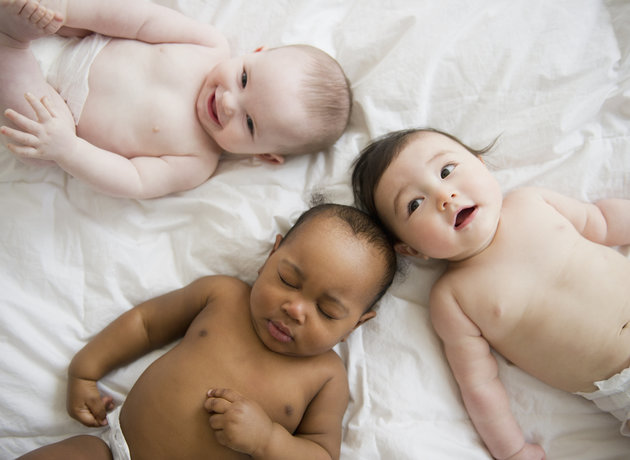 |  |
| Explore biological and maternal mechanisms for temperament | Identify typical trajectories of temperament development | Cross-cultural differences on the development of temperament | Understand the interplay between temperament attributes |
Biological Underpinnings
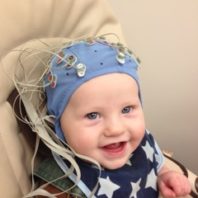
We are focused on enhancing the understanding of biological underpinnings of temperament. Several projects with this aim in mind are currently in progress. In one study, we are recording infant electroencephalogram (EEG) in the context of several laboratory activities that are designed to mimic every day situations that elicit specific emotional reactions, such as a game of peek-a-boo. In another investigation we are examining how maternal wellbeing during pregnancy effects infant temperament development, considering both psychosocial and physiological stress reactivity (i.e., chronic cortisol levels). The Gartstein laboratory is also participating in two multi-disciplinary studies funded by the WSU Grand Challenges initiatives. The Seed grant funded investigation called, “Developmental origins of health and disease: Identifying potential mechanisms for intergenerational transmission of risk and resilience” is underway and involved an evaluation of prenatal factors, including epigenetic effects. The WSU Health Equity Risk and Resilience Consortium (HERRC) funded project called, “Childcare choices, microbiomes, and infant behavior – are they related?” will enable us to link temperament markers to microbiome genomic properties, contributing to our understanding of the brain-gut-axis.
Temperament
Our work with temperament emphasizes areas related to methodology – how do we ask meaningful questions about this domain of individual differences? – while also examining the development of trajectories for fear and other characteristics in early childhood. We investigate how much temperament changes over time versus how stable attributes appear to be, and how much parents agree with each other about their infants’ temperament. We look into how parental attributes influence their ratings of their children’s behavior and emotions. We are excited that we have taken these findings and applied this information to offer parents of infants an opportunity to learn more about temperament and their baby’s profile specifically in an effort to increase parental sensitivity/response and lower the risk for child behavior problems, maltreatment, and other likely adverse outcomes.
Cross-Cultural Differences
Much of the social-emotional development literature has been based on the assumption that discerned effects could easily be generalized to people and populations around the world. Cross-cultural differences in the development of temperament and behavior problems have been identified, with noted variability attributed to differences in the “developmental niche” which represents a set of factors related to the settings available to the child, caregivers’ characteristics, and daily activities that are culturally influenced and shaped by the developmental process.
Developmental Psychopathology
The temperament feedback program represents an attempt to prevent difficulties from coming forward by intervening in the first year of life to provide a psycho-educational parent guidance program, which is currently being evaluated. Our two program goals are: 1) how to understand the interplay between different temperament attributes in predicting early signs/symptoms of behavioral and emotional difficulties, and 2) how to make sense of the parent-related factors as these interact with temperament and help shape the development of symptoms and behaviors.
PROUD MOMENTS OF OUR WORK
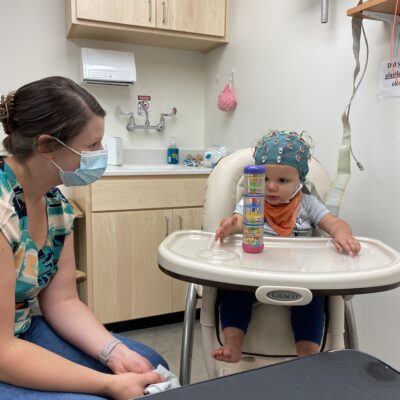
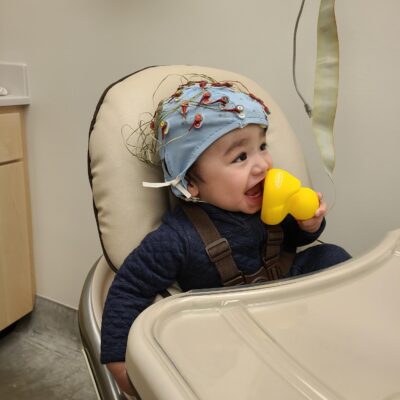

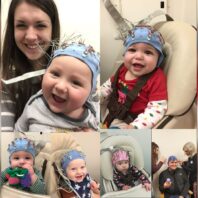


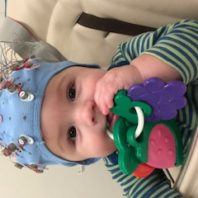

Watch Babies – now streaming only on Netflix! From first breath to first steps, witness the magic and explore the mystery of the first year of life. Babies is on Netflix now and our lab was visited in April 2019 to record an episode for the show! Watch the series to learn more about how babies develop and see firsthand the work in the lab.
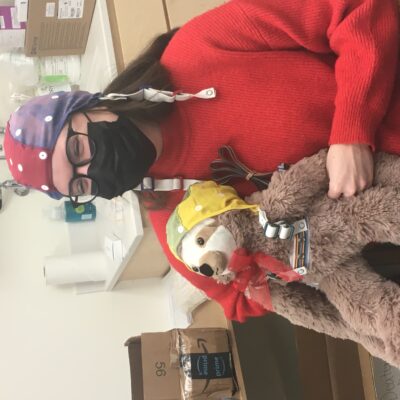
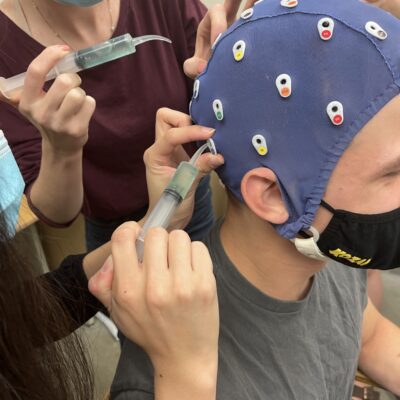
Training sessions with new research assistants where they get the opportunity to put on the research caps and practice putting the gel into the electrode sites in the cap.
Engaging with the community at local events ranging from interacting with potential participants and their families to making balloon animals. Our researchers are multi-talented!
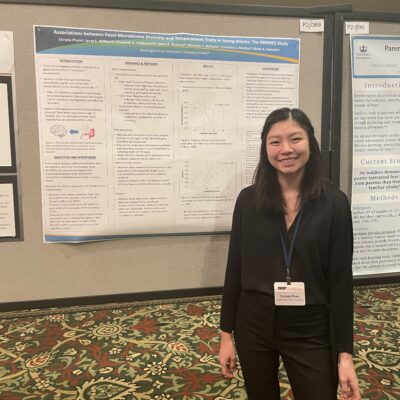
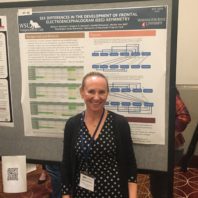
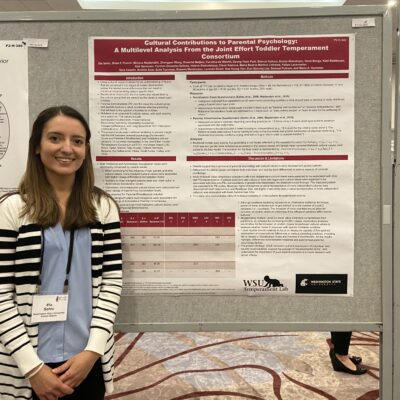
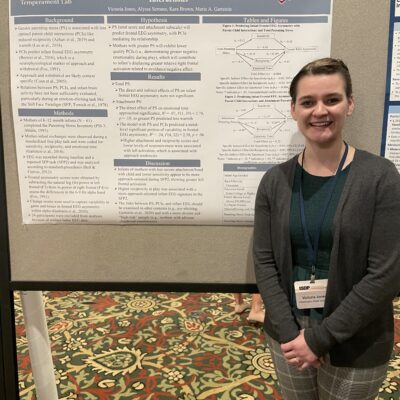
Attend Industry Events to showcase our research such as the International Society for Developmental Psychobiology in Chicago, Illinois, the Society for Research in Child Development Meeting in Baltimore, Maryland, and many more.