Gut-skin axis
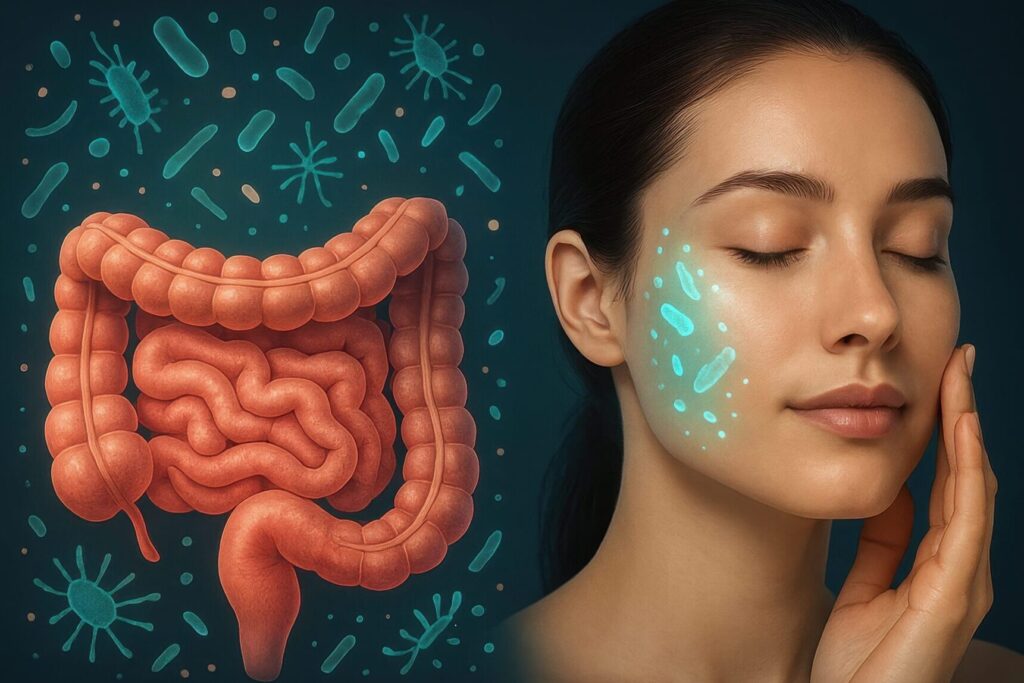
The gut–skin axis describes the bidirectional communication between the intestinal and skin microbiomes, mediated through immune, metabolic, and neural pathways. Emerging evidence suggests that gut microbes can influence skin health by modulating systemic immunity and producing metabolites that reach the skin through circulation. Likewise, skin inflammation and barrier integrity can impact gut microbial composition through shared immune signaling. Understanding this cross-talk is crucial for revealing how microbial communities coordinate host physiology across body sites and for identifying new strategies to promote overall health through microbiome-targeted interventions.
Microbiome in atopic dermatitis
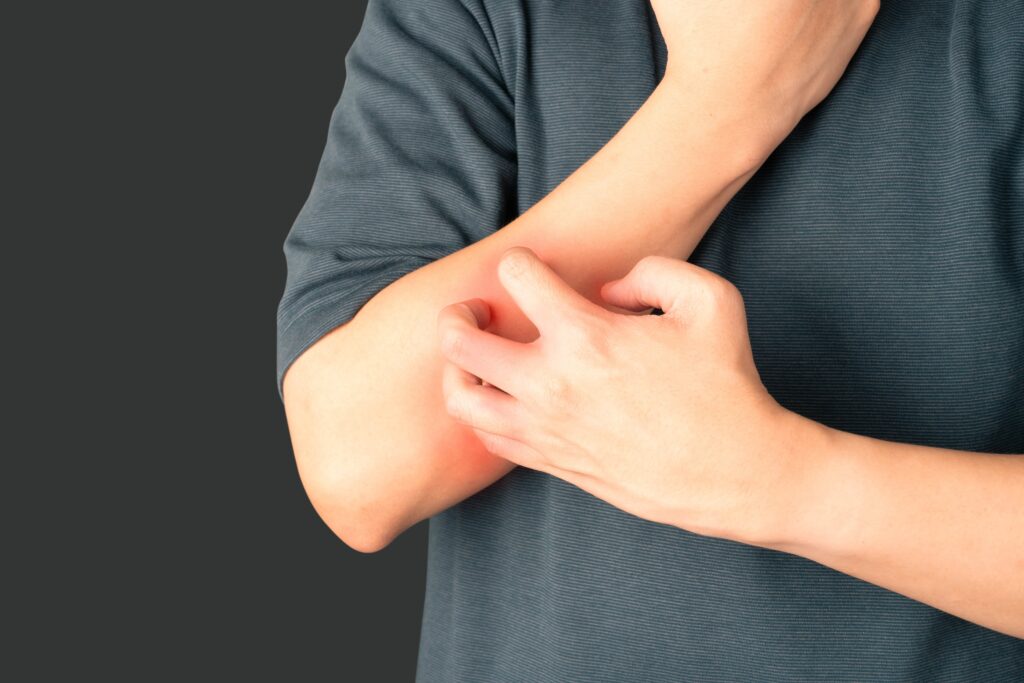
Atopic dermatitis, commonly known as eczema, is a chronic inflammatory skin disease characterized by dry and itchy skin. It affects up to 10% of children and 7% of adults, substantially impacting life quality through persistent itching, disrupted sleep, and increased susceptibility to infections. Although genetic factors such as FLG mutations contribute to disease risk, they explain less than 20% of heritability, suggesting the major role of environmental influences in disease onset and progression. The microbiome serves as a key interface between the body and the environment, dynamically interacting with host immunity. Therefore, investigating the microbiome in atopic dermatitis is critical to understanding how microbial dysbiosis contributes to disease and to guiding microbiome-based approaches for prevention and treatment.
Computational methods
Vast amounts of metagenomic data have been generated and deposited in public databases. Advancing our understanding of the microbiome’s role in health and disease requires leveraging these large datasets and developing analytical frameworks capable of resolving microbial functions, capturing strain-level variation, and integrating diverse data types. We aim to advance microbiome data analysis by assembling resources, testing new analytical approaches, and developing bioinformatic methods to unlock the full potential of metagenomic data and integrate it with other data modalities.