Dr. Porismita Borah
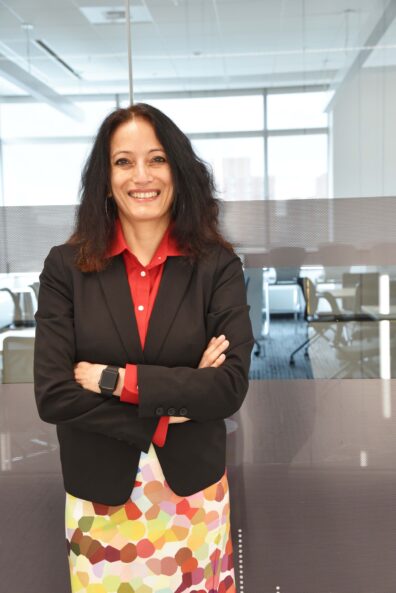 Porismita Borah (PhD, University of Wisconsin-Madison) is the director of the Digital Media and Society Lab. Dr. Borah is a Professor at the Edward R. Murrow College of Communication and a graduate faculty in the Prevention Science program at Washington State University. She primarily studies discourses on digital platforms as well as message effects in the context of both politics and health. Borah’s most recent work focuses on problematic information, including mis/disinformation, hate speech, and incivility. Her work has been published in top journals such as Journal of Communication, Political Communication, Journal of Computer-Mediated Communication, and New Media and Society. Borah has received funding from multiple sources, including the National Institutes of Health, the National Science Foundation, and the Poynter Institute, for her research. Learn more about Borah’s research at porismitaborah.com. Borah is currently the editor-in-chief of the International Journal of Public Opinion Research.
Dr. Kyle Lorenzano
 Kyle Lorenzano (PhD, Washington State University) is a member of the Digital Media and Society Lab. Dr. Lorenzano is an Associate Professor in the School of Communication, Film, and Media (SCFM) at the University of West Georgia. Currently, he also serves as the Digital Media & Entertainment concentration head in SCFM’s undergraduate program and as Assistant Graduate Coordinator for the school’s Master of Science degree in Digital and Social Media Communication. His research interests focus primarily on political communication and social change, with an emphasis on the relationship between emerging media and polarization. This work has been published in Communication and the Public, Health Communication, the International Journal of Environmental Research and Public Health, and other top journals in the discipline. When he is not teaching or working on research, Lorenzano likes to play guitar, watch films, and spend time with his family.
Dr. Xizhu Xiao
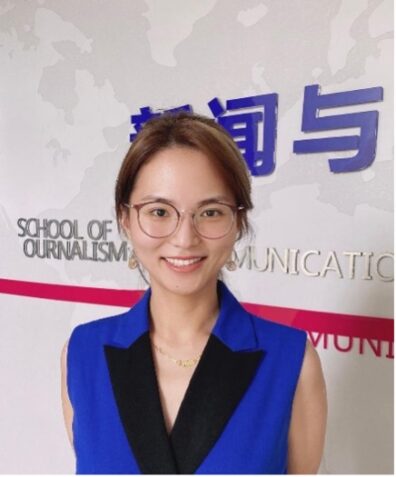 Xizhu Xiao (Ph.D., Washington State University) is a member of the Digital Media and Society Lab. Dr. Xiao is an Associate Professor at the School of Literature, Journalism and Communication, Qingdao University. Her research focuses on health communication, strategic communication, and new media. Xiao has published multiple papers in leading SSCI journals, including New Media & Society, Health Communication, Journal of Health Communication, Social Media & Society, and Public Understanding of Science. She has received funding from the National Social Science Foundation of China and the Shandong Provincial Higher Education Institution’s Youth Innovation Technology Support Plan. Xiao also serves as a reviewer for the International Communication Association (ICA), the Association for Education in Journalism and Mass Communication (AEJMC), and prominent journals such as Nature Human Behavior, Communication Research, and Science Communication.
Dr. Yan Su
 Yan Su (Ph.D., Washington State University) is a member of the Digital Media and Society Lab. Dr Su is an Assistant Professor at Peking University. His research explores the dynamics of emerging communication technologies, media effects, computational communication, and strategic communication. He is particularly interested in understanding the interactions between emerging media and human psychology. Su’s work has appeared in reputed journals including the Journal of Computer-Mediated Communication, New Media & Society, Journalism & Mass Communication Quarterly, and Journalism.
Dr. Danielle Ka Lai Lee
 Danielle Ka Lai Lee (Ph.D., Washington State University) is a member of the Digital Media and Society Lab. Dr. Lee is a Lecturer (Assistant Professor) at the University of Manchester in the U.K., where she co-teaches Digital Health and Clinical Informatics. Her research focuses on the impacts of media use on users’ perceptions, cognitions, emotions, as well as how people process their experiences on emerging media platforms. With both quantitative and qualitative approaches, her studies investigate the underlying psychological mechanisms informing how media features on communication platforms eventually influence user engagement and message endorsement. The understandings translated into solid implications for various strategic contexts, including digital health and health communication, environmental conservation, and interpersonal connections. Lee’s current endeavors are in two major research lines, which revolve around utilizing media psychology to understand user experience (UX) and enhancing communication outcomes. Her secondary project identifies media features that enhance user engagement for mobile applications, websites, and virtual reality (VR) environments.
Dr. Anastasia Vishnevskaya
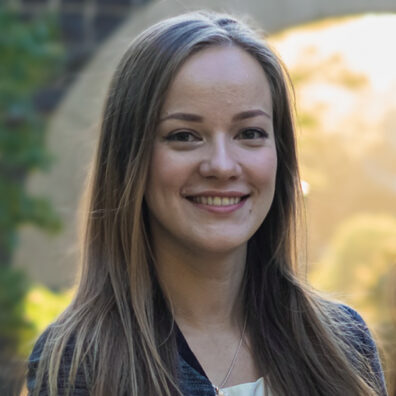 Anastasia Vishnevskaya (Ph.D., Washington State University) is a member of the Digital Media and Society Lab. Dr. Vishnevskaya is an Assistant Professor in the College of Media & Communication at Texas Tech University. She conducts interdisciplinary research that explores how narratives from emerging storytelling technologies (e.g., VR), media representations, and messages about marginalized groups (such as ethnic minorities and immigrants) influence the broader public opinion, attitudes, and behavioral intent toward these groups. Additionally, Vishnevskaya investigates the dynamics of digital platforms in political communication, examining how these platforms shape information flow, influence political discourse, and affect audience behavior. Her work has been published in the leading communication journals such as New Media & Society, International Communication Gazette, Communication Quarterly, and Current Psychology. She is also a co-author of the academic book Stereotypes of Muslim Women in the United States: Media Primes and Consequences (Rowman & Littlefield, 2022).
Xiaohui Cao
 Xiaohui Cao (M.A., Washington State University) is a member of the Digital Media and Society Lab. Cao is a Ph.D. student at the University of Wisconsin-Madison, School of Journalism and Mass Communication. Her research areas include health and risk communication as well as emerging communication technologies. Specifically, she is interested in projects related to message effects, persuasion, and mobile technologies, with the ultimate goal of promoting the healthy development of human beings and the natural environment.
Fahima Khanam
 Fahima Khanam (M.A., Washington State University) is a member of the Digital Media and Society Lab. Khanam is a Ph.D. student at the Edward R. Murrow College of Communication, Washington State University. Before joining Murrow College, Fahima was a faculty member at various private and public universities in Bangladesh. Her research focuses on emerging communication technologies and the role of these technologies in shaping human-machine interaction, particularly in health communication. With a particular interest in Artificial Intelligence and social media, she envisions exploring the importance of changing people’s behavior and aligning technologies with health concerns. Her work has been published in the International Journal of Customer Relationship Marketing and Management, the International Journal of Big Data and Analytics in Healthcare, and the Encyclopedia of Data Science and Machine Learning.
Joseph Franklin
 Joseph Franklin (B.A., Washington State University) is a member of the Digital Media and Society Lab. Franklin is an M.A. student at the Edward R. Murrow College of Communication, Washington State University. Franklin’s research interests focus on political communication, science communication, and the representation of politics and science in entertainment media. He studies how politics and science are characterized across the news, movies, and TV shows, and their impact on audiences. He is also interested in political incivility and polarization.
Priscilla Nyarko
P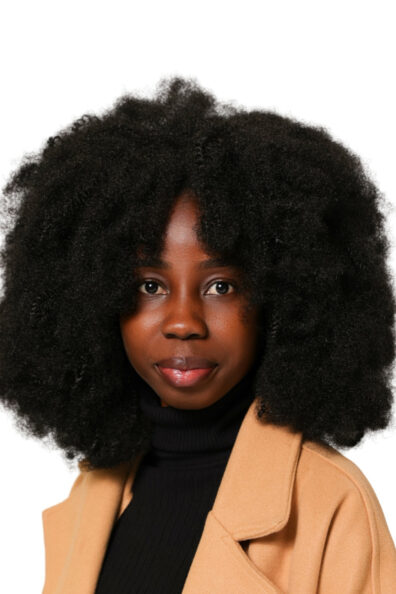 riscilla Nyarko (M.A., Saint Louis University) is a member of the Digital Media and Society Lab. Nyarko is a Ph.D. student at the Edward R. Murrow College of Communication at Washington State University. Her research interests are in health communication, digital media, and emerging technologies. She is particularly interested in how people living with chronic health conditions use emerging technologies for health information. Before joining WSU, Nyarko earned her M.A. in Communication from Saint Louis University and her B.A. in Communication Studies from the University of Cape Coast in Ghana. Her previous research has explored online chronic illness communities, self-advocacy, resilience, and patient experiences in digital spaces.
Sultana Jahan
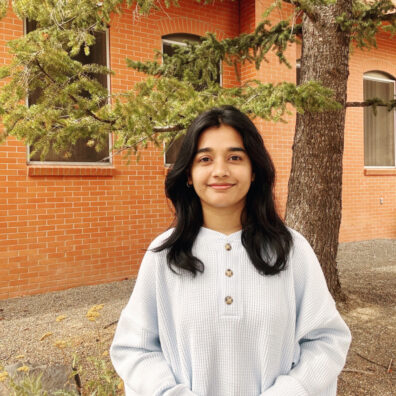 Sultana Jahan (M.S., Kansas State University) is a member of the Digital Media and Society Lab. Jahan is a Ph.D. student at Murrow College of Communication. After finishing her bachelor’s degree, Jahan briefly worked as a newsroom editor at a private TV channel in Bangladesh before moving to the United States. She then completed her master’s in Mass Communications from Kansas State University, where she also served as an Instructor of Record. Jahan’s research interest lies primarily in health communication, particularly in how health information and misinformation on social media affect people’s health beliefs and care-seeking behaviors across different sociocultural contexts. She is also interested in exploring how AI-generated content on social media shapes and reshapes people’s perceptions of AI affordances and their understanding and acceptance of these technologies. Jahan has presented her work at several national and regional conferences, including the NCA and AEJMC.