Skip to main content Skip to navigation
WSU MAC Lab cj.janssen

Recent publications & press coverage on MAC Lab team research

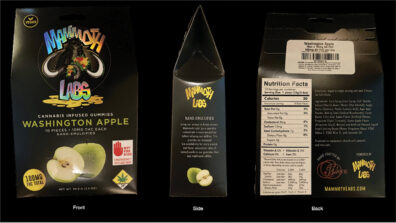
With co-directors Dr. Stacey Hust and Dr. Jessica Willoughby at the helm of the MAC Lab team’s efforts, two studies have recently been published in academic journals! Both studies draw upon data regarding teens’ and young adults’ perceptions of edible cannabis product packaging elements. Take a look below for a round-up of these publications, including press coverage of this important health communication research:

  • The Journal of Health Communication published a qualitative study led by Dr. Hust, which analyzed 28 Washington teens’ (ages 13 – 17) thoughts and perceptions on the designs of cannabis-infused edible product packaging. Notable findings indicate that teens find such packaging to be appealing due to the presence of bright colors, fun imagery, and lifestyles (such as being vegan, for example) that appeared to be promoted by the packaging. Interestingly, teens who had both pre-existing knowledge of cannabis and were literate in cannabis product information expressed skepticism towards such packaging.
    • The results of this work indicate the need for policymakers and health educators alike to consider the perspectives of teenagers in regulatory processes regarding cannabis products.
    • To learn more about this study and to read statements regarding the findings of the project from Dr. Hust and Dr. Willoughby, take a look at this press release from the WSU Insider!
  • Most recently, a study led by Dr. Willoughby was published by the Drug and Alcohol Review. Qualitative focus groups were conducted with teens across Washington state to learn more about how they perceive warning labels on cannabis edible packaging.
    • The team found that teens may not find cannabis edible warning labels to be particularly relevant to them, feeling that such information pertains more to younger children. Additionally, teens feel that packaging designs often hide warning labels; bearing this in mind, though, participants expressed that they often pay no attention to any labels on edible product packaging whatsoever, including nutrition labels and serving size recommendations on food and drink packaging that do not contain cannabis.
    • The results of this study demonstrate that teens might overlook warning labels on cannabis edibles packaging either a) intentionally, as they don’t feel the labels apply to them, or b) unintentionally, because they may be unfamiliar with cannabis products and how labels provide important information about servings and potency.

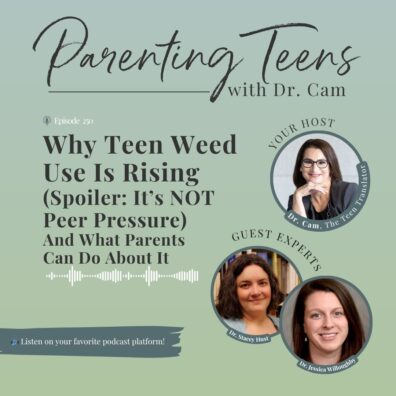
MAC LAB DIRECTORS FEATURED AS GUEST EXPERTS ON NEW PODCAST EPISODE

Stacey and Jessica recently talked to Dr. Cameron Caswell, host of Parenting Teens with Dr. Cam, about cannabis use among teens, cannabis edibles packaging, and tips for talking to teens about cannabis.
A few key takeaways included:
  • It’s important to start the conversation about cannabis early, both in discussions with teens and also in normalizing discussions about cannabis in the home with other parents to avoid accidental use by kids who might be away from direct parent supervision.
  • Talking about cannabis with teens can be daunting, but the possible ramifications of not talking outweigh the awkwardness.
  • One way to bring up tough conversations is to use media—find a show or clip they may have seen that relates, then use that as a prompt to discuss. What do they think of the media clip? Let that transition into discussions of their own attitudes, opinions, and feelings.
  • Do your best to be informed. Teens can push back if they feel you are just “telling” them information. Instead, know what you can, have a conversation with them about it, and be open to learning more if there are things you don’t know and/or haven’t heard of. A lot is constantly changing in the legal adult-use cannabis landscape.