Results from a study on late adolescents’ use of social media for contraceptive access advocacy
 We surveyed teens from the United States, United Kingdom, and Australia (N = 966) to examine associations between attitudes, norms, and response efficacy for sharing controversial information online and sharing contraceptive access content on social media. Women and nonbinary adolescents were more likely to post such content than men. Perceptions of contraception as controversial and attitudes and norms toward sharing controversial information were associated with increased contraceptive access content sharing on social media. More detailed results are presented below:
- We found that teens were more likely to report having liked content about contraceptive access on social media than engaging in other related behaviors (e.g., using a hashtag in support).
- Approximately 1/3 or more of participants, regardless of gender, had shared someone else’s attitudes about contraceptive access (e.g., reposting or sharing content).
- Among participants, more participants who reported a gender other than men were more likely to engage in sharing contraceptive access information on social media.
- Perceiving they lived somewhere where contraceptive access was controversial (p = .024), having positive attitudes toward sharing controversial information on social media (p = .001), and believing that peers share controversial information on social media (p = .001) were predictive of having shared contraceptive access content on social media.
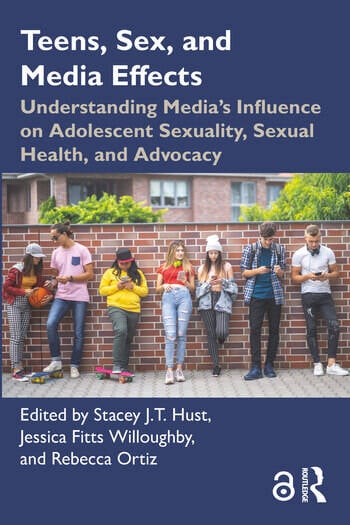 Separate work from this project was published in Teens, Sex, and Media Effects: Understanding Media’s Influence on Adolescent Sexuality, Sexual Health, and Advocacy. The book, including chapter 19, “Adolescents’ use of social media for sexual and reproductive health advocacy,” is available open access.