Lab pic from ’25-’26 coming soon
My professional information:
CV; LinkedIn; robert.catena@wsu.edu
Why do I study maternal orthopedics?
To give back to moms! Pregnancy has lasting effects on the body. Yet moms have made a choice to sacrifice their body for us. They deserve our attention toward minimizing that toll.
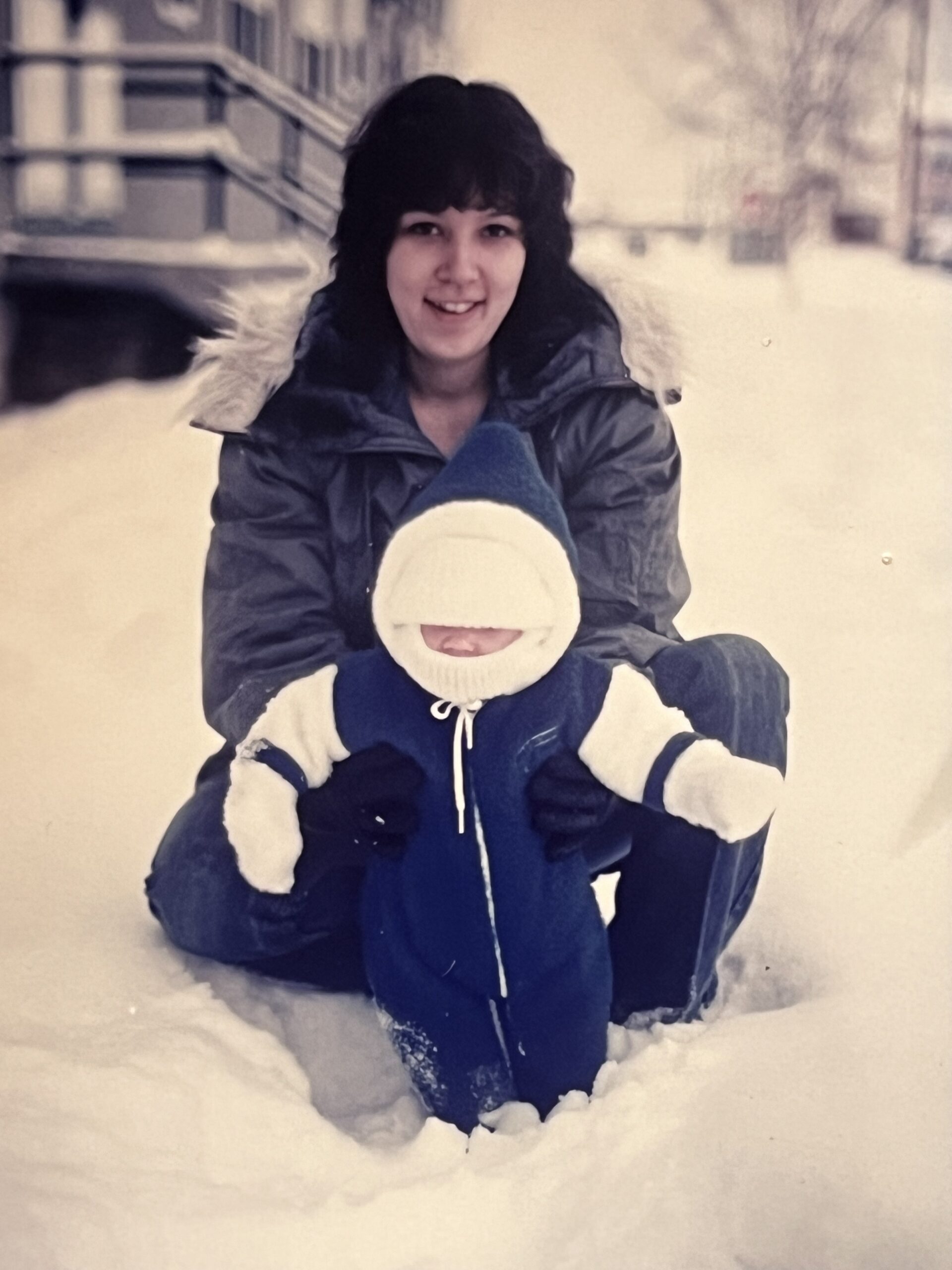
I was raised by a single mom that worked long hours in rural Alaska (see picture of me with my mom). During college, I worked as an EMT for a fire department in Fairbanks and for a life flight service covering the 100-mile radius around Fairbanks. I had to treat rural pregnant women for physical injuries that put their life and their baby’s life in jeopardy. It was scary to me how little we knew on how to manage the combination of physical injury and pregnancy . Later, during my wife’s first pregnancy, I got a more detailed view of the physical toll pregnancy has, including a scary situation in which she had a fall while working in a commercial kitchen. Pregnant women deserve the opportunity to continue their normal lives during and after pregnancy. Moms already sacrifice their time and efforts for their kids. Pregnancy should not require them to also sacrifice their body and longterm health.
My professional information:
Why do I study maternal orthopedics?
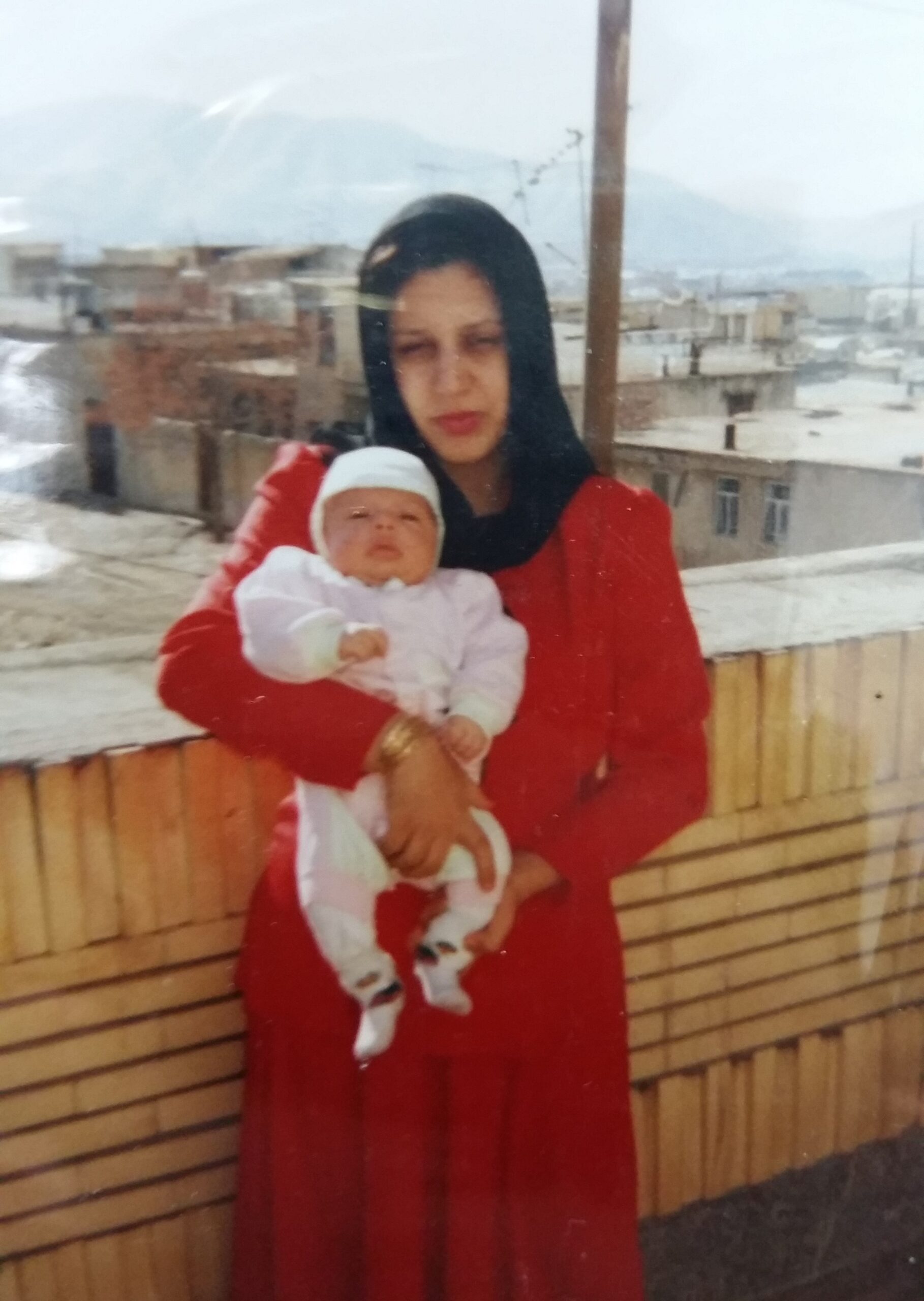
My interest in pregnancy health and wellness began with a very personal source of inspiration—my mom (see picture of me with my mom). She’s been my biggest supporter, always encouraging me to grow, to stay hopeful, and to become the best version of myself. To this day, her hug still feels like the safest place in the world.
That deep appreciation for motherhood took on new meaning during my final year of undergrad, when I was interning at a prosthetics clinic. A pregnant woman came in, needing her prosthesis adjusted. She was struggling to walk, and most of the clinicians didn’t know how to help. That moment stayed with me—it made me realize how overlooked pregnant women can be in healthcare, especially when their needs are complex. It also sparked a strong curiosity about the biomechanics of pregnancy and how we can better support expectant mothers, especially those with physical challenges.
I hope that by studying pregnancy in healthy populations, I can one day help improve care and mobility for pregnant women with limb loss. Because to me, mothers aren’t just caregivers—they’re the center of everything.
Why do I study maternal orthopedics?
My interest in pregnancy health and wellness stems from a combination of my positive experience growing up under my mother’s care, a strong desire to become a mother myself, and my goal to help others live the healthiest lifestyle that they can live. Pregnancy and birth can be a scary time for many women because it often comes with complications and health risks for mother and baby. I have heard pregnancy and birthing stories from many close friends and family members who had mild complications or more serious complications that threatened the lives of themselves and their child/children. These stories have inspired me to help women experience healthier, happier, and less complicated pregnancy journeys and birthing experiences.
Moving though my undergraduate degree in Kinesiology at WSU, my interest in exercise and health/wellness grew immensely and I channeled that interest in researching how maternal exercise physiologically benefits the fetus. I discovered how much I enjoyed learning about the benefits of exercise on the maternal population and decided to continue my education on this topic in graduate school. I am currently developing an exercise program based on research and national exercise guidelines for women during pregnancy. My goal and passion are to bring this program to life and train women to build healthy lifestyles to provide the best life possible to themselves, their family, and future generations.

Why do I study maternal orthopedics?
As a mechanical engineer, I believed systematic thinking and precise design could solve complex problems. Pregnancy and postpartum recovery proved otherwise: despite regular exercise, I struggled to adapt physically and mentally.
Overuse led to joint problems, yet the orthopedic care I received felt one-size-fits-all and not designed for mothers. I realized the body is not a standard model but a complex system that requires careful evaluation and personalized, evidence-based solutions.
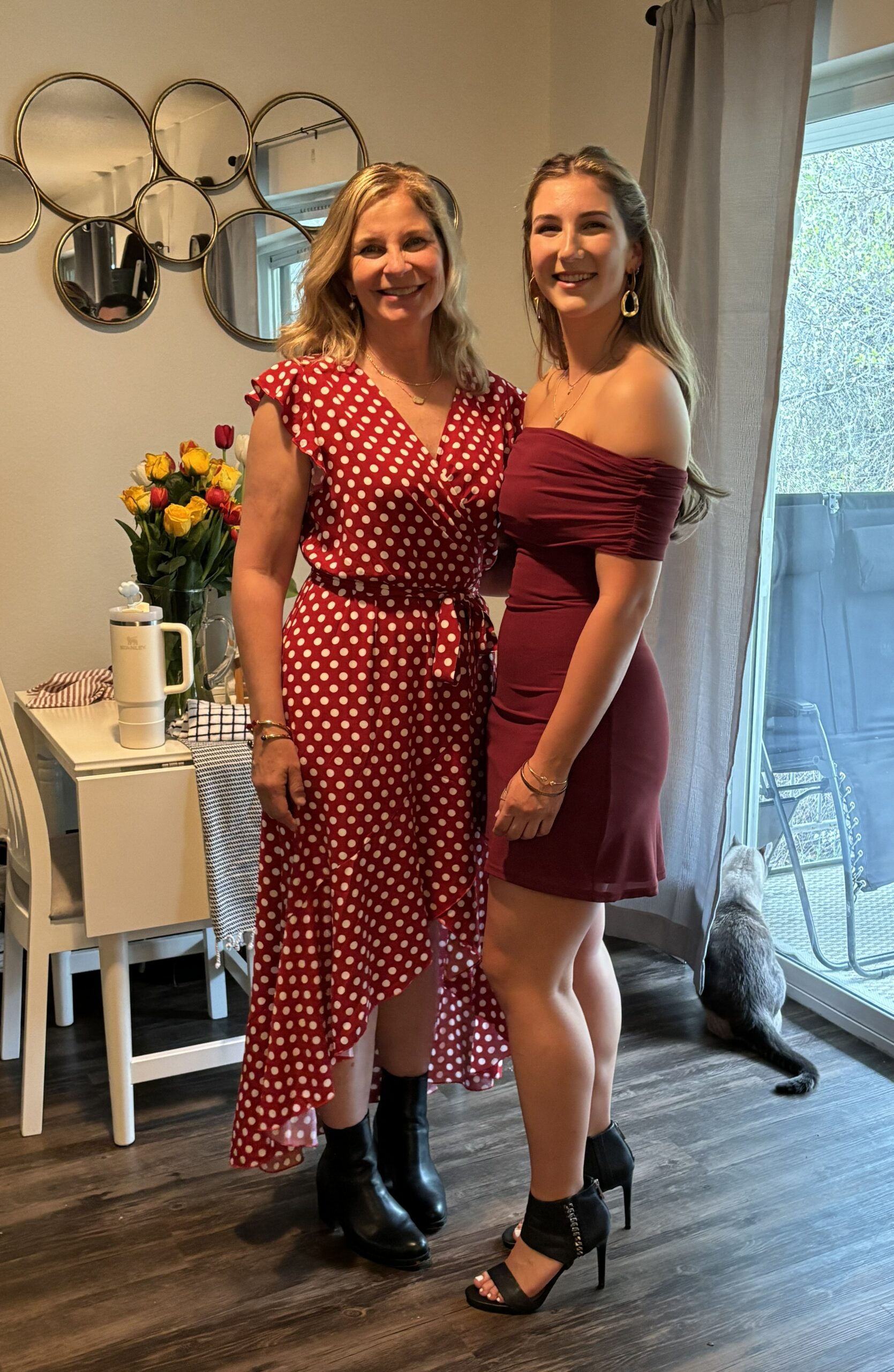
In the summer of 2025, my daughter and I (see picture) completed a 20-kilometre hike with about 1-kilometre of elevation gain. That experience showed me how the right knowledge and structured practice can give mothers the strength and confidence to enjoy daily life.
I hope future mothers will not have to spend years learning through trial and error as I did, but can benefit from knowledge and research that helps them return quickly and safely to the activities they love. This is what draws me to the MOM Lab and its mission to advance personalized approaches to maternal movement and recovery.