Methods Workshop
2026 Methods Workshop
Integrating Generative AI into R Workflows: From APIs to Shiny Apps
This workshop covers practical approaches for integrating large language models into R-based research and analytic workflows. Generative AI tools are increasingly being used to support tasks such as text processing, structured data extraction, automated feedback, coding assistance, simulation, and interactive application development. However, effectively using these tools requires more than simply sending prompts to a chatbot. Researchers and practitioners need to understand how large language models work, how to structure prompts for reliable outputs, how to connect to models through APIs, and how to build workflows that can be inspected, revised, and reused.
The emphasis of this workshop is to provide participants with a conceptual and practical foundation for using LLMs within R. The workshop will begin with a brief overview of LLM architecture and how model behavior informs effective integration practices. Participants will then gain hands-on experience with prompt engineering, single-use and conversational API calls, batch processing, chained workflows, simple agentic systems, and LLM-powered Shiny applications. By the end of the workshop, participants will be able to explain key LLM features relevant to R integration, apply prompt engineering principles to improve consistency and reliability, implement API-based LLM workflows in R, and build interactive Shiny applications that leverage LLM capabilities for end-user functionality.
Instructions on obtaining and testing API connectivity will be provided to workshop attendees prior to the workshop.
September 28th: 9:30 to 11:30am & September 29th: 3:30 to 5:30pm
Zoom for Pullman and other locations.
Presented by the Learning Performance Research Center and Educational Psychology & Methodology program.
Presenter: Dr. Christopher Runyon
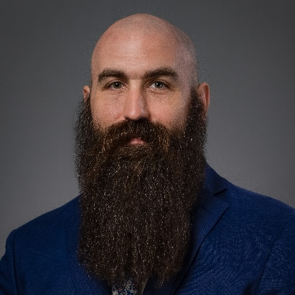
Dr. Christopher Runyon is a Lead Measurement Scientist at National Board of Medical Examiners, where his work sits at the intersection of psychometrics, clinical reasoning assessment, and generative AI. He is also co-chair of the AI in Medical Education group for the Directors of Clinical Skills Educators. His previous academic work includes cognitive psychology, causal inference, philosophy of logic, and Indo-Tibetan Buddhist reasoning and debate.
Cost
Registration cost is $25.
Registration includes workshop & course materials.
Please click here to register!
- 2025 – Dan McNeish, Arizona State University – Dynamic Structural Equation Models for Intensive Longitudinal Data
- 2024 – Holmes Finch, Ball State University – Examining Heterogeneity with Mixture Models
- 2023 – Gregory Hancock, University of Maryland – Structural Equation Modeling Methods for Longitudinal Data
- 2022 – Tracy Sweet, University of Maryland – An Introduction to Machine Learning for the Social Sciences
- 2021 – Tenko Raykov, Michigan State University – Longitudinal Modeling and Missing Data Analysis
- 2019 – Matthew McCrudden, Pennsylvania State University – Mixed Methods
- 2018 – Gregory Hancock, University of Maryland – Latent Growth Curve Modeling
- 2017 – Roy Levy, Arizona State University – Foundations of Bayesian Statistical Modeling
- 2016 – Todd D. Little, Texas Tech University – Measurement, design, and analysis issues in longitudinal modeling with a particular focus on the longitudinal CFA model as the basis for both panel and latent growth curve modeling.
- 2015 – Gregory Hancock, University of Maryland – Second Course in Structural Equation Modeling
- 2014 – Bethany Bray, Pennsylvania State University – An Introduction to Latent Class and Latent Profile Analysis
- 2013 – Gregory Hancock, University of Maryland – A First Course in Structural Equation Modeling