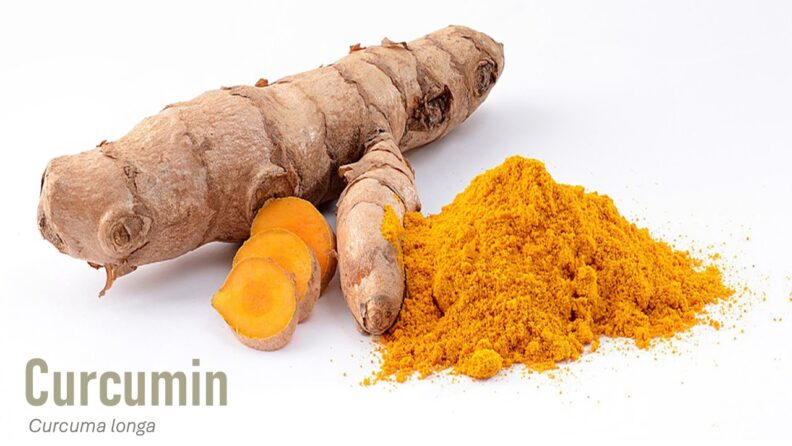
What is Curcumin?
Curcumin is the principal curcuminoid found in turmeric, a widely consumed natural product used in cooking and traditional medicine. In 2021, turmeric ranked as the second top-selling herbal supplement in the U.S., with nearly $100 million in sales. Curcumin is often used to manage arthritis and other inflammatory conditions, sometimes alongside pharmaceutical drugs.
What is the focus of our research?
Recent laboratory data show that curcumin is a potent inhibitor of UGT2B17, an enzyme involved in drug metabolism. UGT2B17 metabolizes diclofenac, a commonly used NSAID for pain and arthritis. Genetic differences in UGT2B17, especially gene deletions, could lead to poor metabolism of diclofenac, increasing the risk of side effects. Considering both turmeric/curcumin and diclofenac are used for arthritis and other inflammatory conditions, there is a high likelihood of patients co-consuming curcumin and diclofenac, raising concerns for variable diclofenac pharmacokinetics and toxicity risk.
Our research aims to evaluate how curcumin affects the metabolism of diclofenac, particularly in individuals with genetic variations in UGT2B17. This study will help determine whether co-consumption of curcumin alters diclofenac pharmacokinetics and contributes to variability in drug response.