STARS: Students in Training, Advancement, Research Semesters – AI
Study-&-Research abroad Program in Spring ’27 in Sweden, with Research on Advancing Security and Privacy in AI-Based Systems

Student House at LiU’s Valla Campus
-
Apply today through the program application portal
Research Stipend Extended Application Deadline: August 17, 2026
Navigation
Overview – WSU Student Cohorts – Pioneering Reciprocal Exchange Program – Classes and Academic Credits – Research Projects – Professional Development – Cultural Program – Broader Impacts – Student Eligibility Requirements – Application Documents – Timeline – Questions
Overview
Undergraduate students will participate in a pioneering exchange-&-research program in Sweden to become globally educated students for international leadership in cybersecurity and Artificial Intelligence (AI) research. As established in the predecessor scientific computing program, students do not pay tuition in Sweden. They will take classes overseas, transfer credits to WSU, and graduate on time. In this program students will also:
- perform a well-defined cybersecurity research program at internationally ranked Linköping University (LiU), which manages Sweden’s National Supercomputer Center and is a partner in the Visualization Center C.
- conduct their research using some of the most advanced cybersecurity research facilities in Europe
- investigate robust, secure, and trustworthy machine learning (ML) algorithms with enhanced security, anomaly-detection and privacy-preserving features tailored for diverse systems, including healthcare, autonomous vehicles, and smart cities.
- receive stipends totaling $12,000 to complete NSF-sponsored resarch in this program in Sweden
 Sponsored by NSF’s IRES initiative at the level of US $450 000, this research program in Sweden will involve a minimum of 21 WSU students, who may apply from any WSU campus that offers WSU’s Cybersecurity BS degree program, currently Everett, Pullman, and Tri-Cities. Beginning in the 2026 spring semester, the program will be available during each spring semester for the next three years. During each spring semester, a minimum of 7 WSU undergraduate students will study in Sweden and complete cybersecurity research projects over an entire semester. Continuing to fulfill their tuition plan with WSU for the semester in Sweden, the students will not have to pay any extra tuition at LiU. Additionally, each participating student will receive research stipends totaling $12,000. The stipends provide remunearation for the research work completed on behalf of NSF.
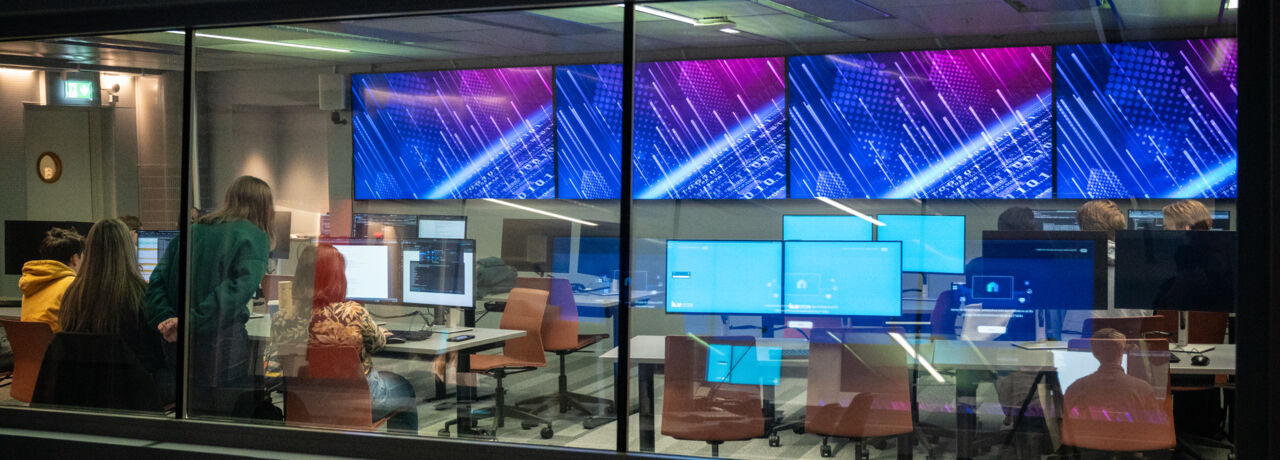
Cybersecurity lab at LiU – Photographer: Magnus Johansson
The students will be hosted by LiU’s Cybersecurity research team with English as the working language, in LiU’s Software and Systems division (SAS) within the university’s Department of Computer and Information Science (IDA). SAS conducts world-class research in cybersecurity, advancing knowledge in several fields, such as cyberlaw, digital forensics, organizational security, and social engineering attacks and defenses. The LiU overseas-site director of the project is Prof. Mikael Asplund, a senior associate professor whose research focuses on security and dependability of cyber-physical systems. The WSU principals of this international cybersecurity program are Profs. Assefaw Gebremedhin, Mohamed Elmahallawy, Joseph Iannelli, and Sergey Lapin.
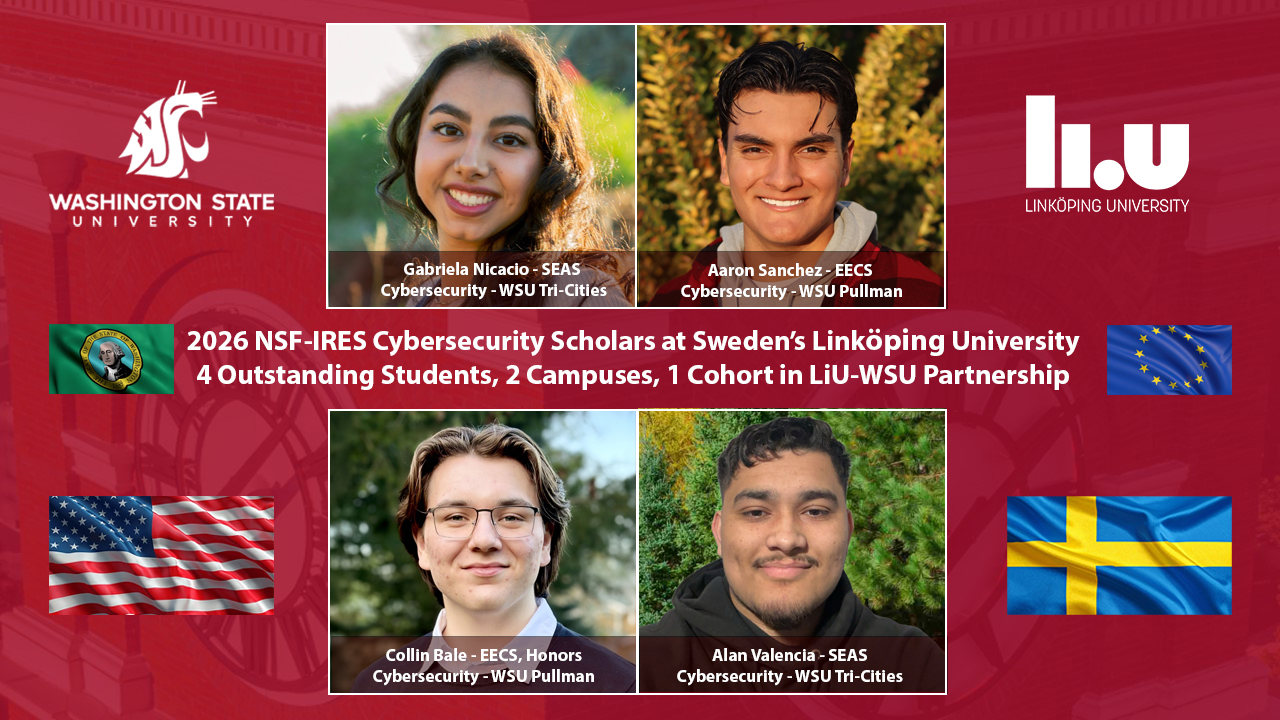
2026 Student Cohort
Pioneering Reciprocal Exchange Program
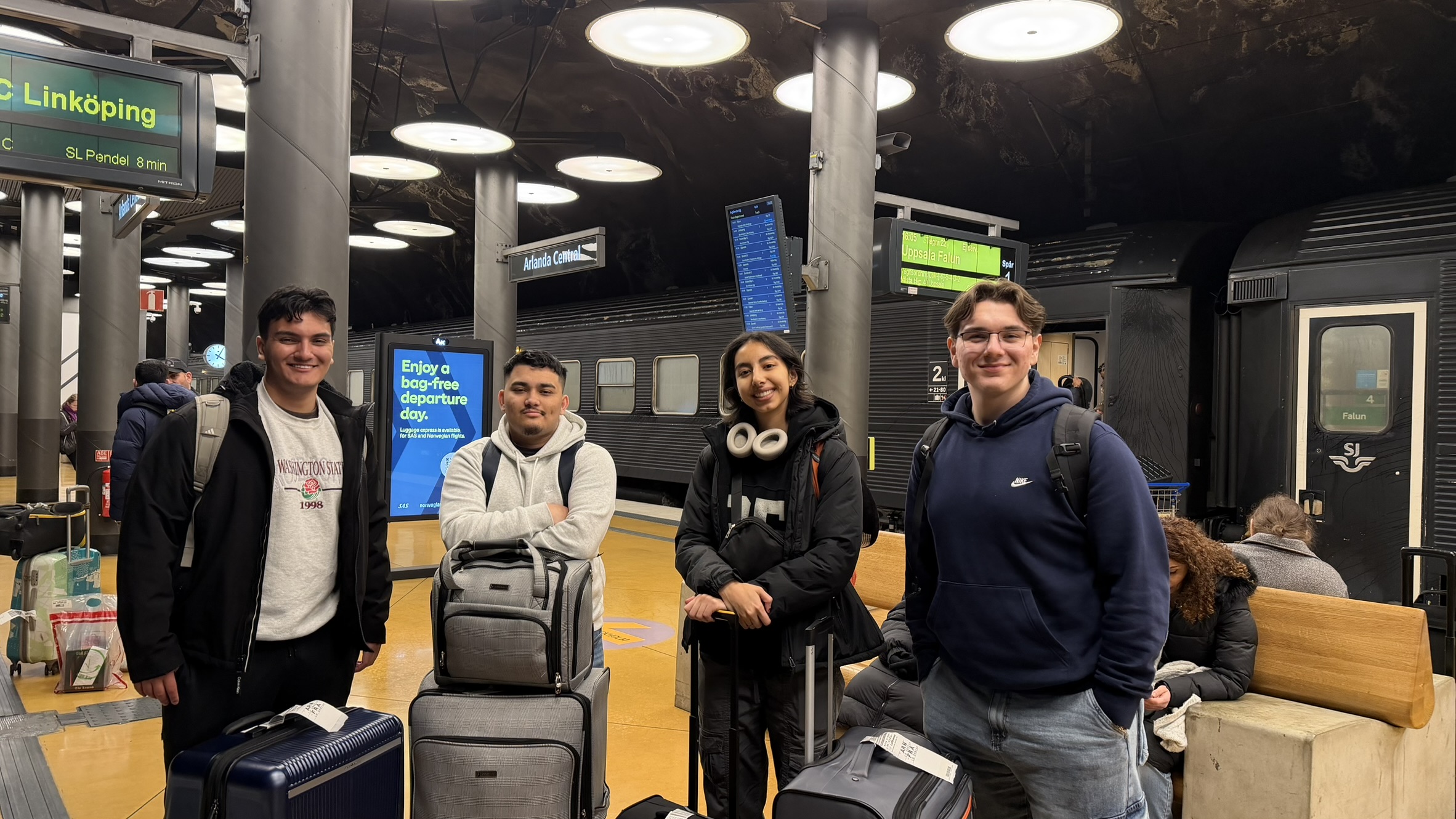
This program integrates a study-abroad semester with a cybersecurity research initiative. Each year, 7 WSU students will complete a study-abroad semester in Sweden and collaborate on research with LiU students who will then reciprocate an exchange semester at WSU and continue to work with the WSU students met at LiU. As a community of scholars, the integrated cohorts of WSU and Swedish students will thus work together for one entire academic year. In Sweden, the LiU students will also assist the WSU students with navigating the Swedish culture and vice-versa in the U.S. where the WSU students will assist the LiU students with the American culture. The students will deepen their acquaintance with one another and thus expand their future professional network at the international level, fostering greater understanding between different cultures.
Classes and Academic Credits
This program incorporates a study-abroad semester. All the participating students will receive academic advisement on the selection of courses to take during the semester overseas. The WSU students will be advised by WSU and LiU advisors as well as the WSU and LiU program managers to ensure that the recommended classes at LiU will provide academic credits that not only transfer to WSU, but also apply to the students’ degree requirements for a timely graduation; these LiU classes will be taught in English. Before completing their applications, students will meet with their academic advisors and international advisors over in International Programs. LiU will issue official transcripts of academic records, which will then be used at WSU to apply the LiU credits to each student’s academic records in myWSU.
Research Projects
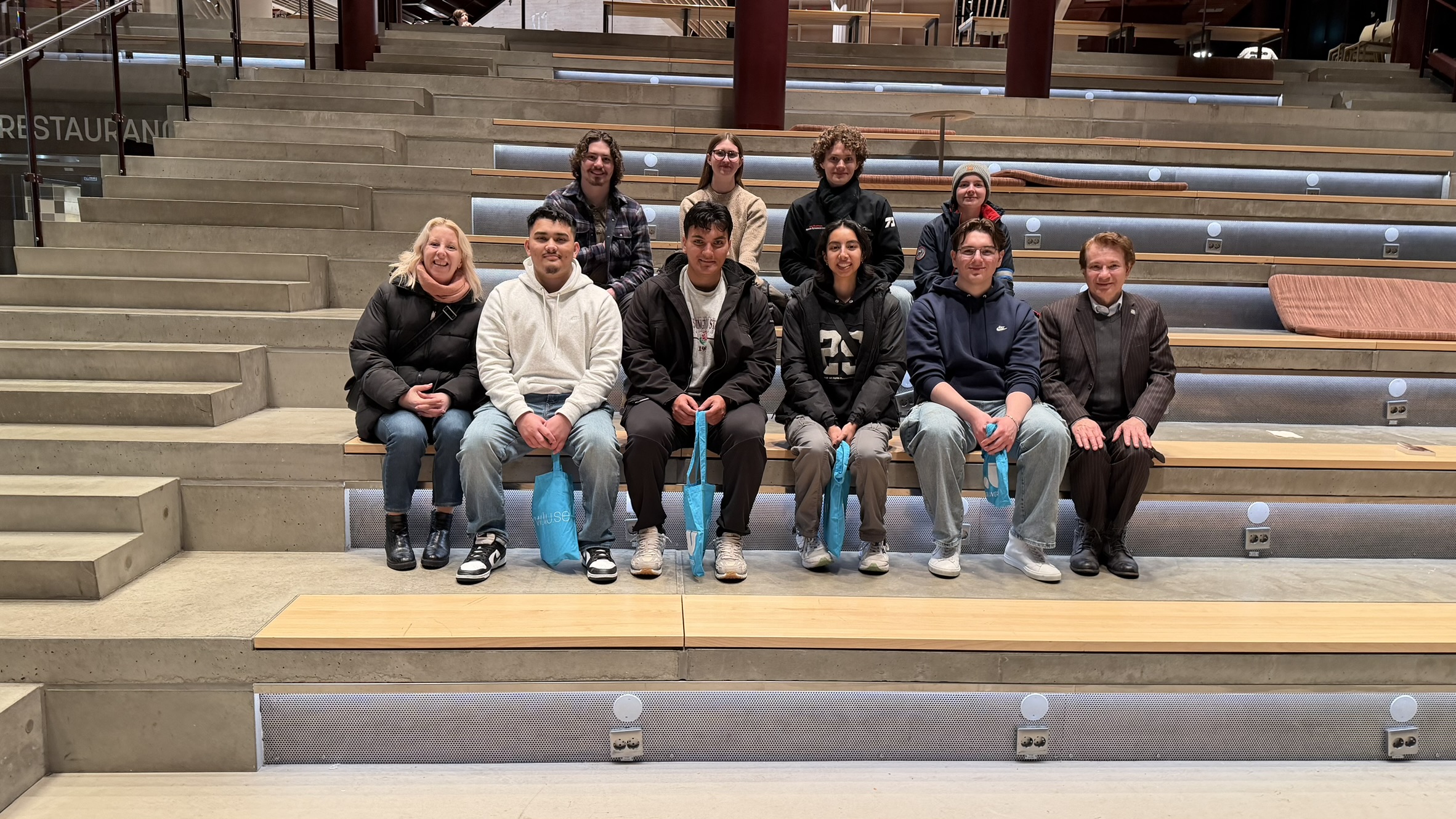
The participating WSU and LiU students will elevate their preparation to operate successfully in the cybersecurity and AI fields at the highest international levels, expanding Sweden’s and the United States’ resilience against cyberattacks from malicious agents.
The IRES scholars’ research will center on contributing to security technologies that can protect AI-augmented government, industry, and private cyber installations. In their research projects, the scholars will investigate robust, secure, and trustworthy machine learning (ML) algorithms with enhanced security, anomaly-detection and privacy-preserving features tailored for diverse systems, including healthcare, autonomous vehicles, and smart cities.
The scholars will develop innovative techniques designed to defend against the unique threats posed by AI applications in cyber environments. The techniques include advanced methods such as differential privacy, structure-preserving encryption, and secure multi-party computation. Key outcomes may include the application of cryptography schemes in real world problems and data to analyze large-scale machine learning models. This work will not only enhance the overall robustness and reliability of these environments, but also address emerging challenges such as secure data sharing among interconnected devices and real-time threat detection across diverse systems. This globally significant emphasis aims to expand scientific knowledge and bolster data security amidst evolving threats, particularly those arising from the growing use of AI in our daily lives.
By engaging in this work, students will gain a comprehensive understanding of advanced attack vectors and develop secure, privacy-preserving techniques to effectively counter such threats. It is anticipated that the IRES scholars’ research can further contribute to defy the activities of adversaries, fortify our resilience, and sustain the geopolitical competitiveness of U.S. enterprises and initiatives, domestically and overseas.
Over the three years of this IRES program, the research projects completed by participating scholars will vary, but they will remain focused on advancing the security and privacy in AI-based systems
The titles of potential cybersecurity research projects are as follows:
- Secure Federated Learning for IoT Systems
- Detecting and Mitigating Malicious IoT Devices in Federated Learning
- Anomaly Detection for Industrial IoT Systems
- Blockchain Approach for IoT Systems
- Enhanced Intrusion Prevention in Smart Cities
Professional Development
The desired overarching outcomes of this program are substantial contributions to the students’ formation as cybersecurity researchers and globally engaged professionals for leadership in globalized societies. Students will be coauthors on journal articles, present their research in Sweden and the U.S., and participate in WSU’s Showcase for Undergraduate Research and Creative Activities. Through this program, accordingly, the students will develop not only novel research abilities, but also additional professional skills and networks that will differentiate them in a competitive employment market both in industry and at universities. These abilities and skills include:
- Communication, presentation, and organization skills
- Mediation of additional faculty-to-faculty collaborations between WSU and LiU
- Development and exploration of new and alternative research approaches to Security and Privacy in AI-based Systems
- Management of research collaborations in eminently international multicultural environments
- Networking-building skills to foster a community of international scholars and sustain long-term relationships
- Initiation, establishment, and management of international scientific collaborations
- Appreciation of culturally different mindsets and research approaches in international research collaborations
Cultural Program
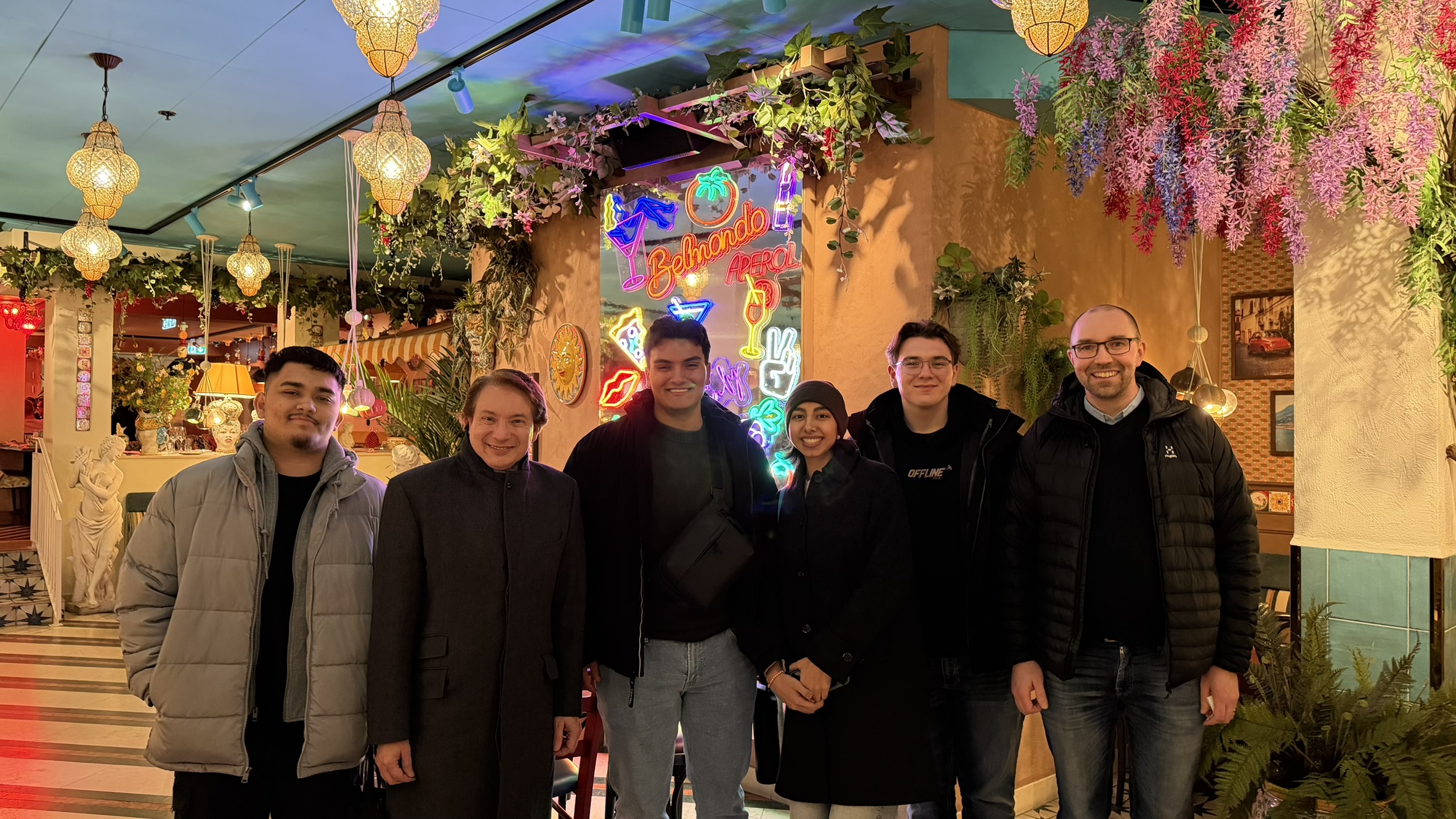
Beyond expanding their research skills and widening their professional network, the IRES scholars will also participate in arranged beneficial cultural activities, so that they may also learn about the cultural, economic, historical, and social aspects of Sweden and its people. A city in southern Sweden and the fifth most populous in the country, Linköping celebrated its 730th anniversary in 2017 as the center of an old cultural region. Historically, Linköping is famed for its early diocese, first mentioned early in the 12th century. The staff in LiU’s International Office will lead a particularly interesting visit to the Gamla Linköping (Old Linköping) open-air museum.

At LiU, students will take classes and participate in research activities that are conducted in English. They will also be encouraged to take the available Swedish culture and language courses developed for visiting international students. Through these courses, the students will be able to deepen their interactions with people outside the university, make many friends more easily, and appreciate another Germanic language related to English.
A further exciting cultural aspect of this IRES program is that the IRES scholars will be collaborating not only with Swedish students, but also with students from other countries through the active exchange programs that LiU holds with other peer international universities, as these programs welcome around one thousand foreign students every year, attending classes, and creating a stimulating, cosmopolitan campus life. The IRES scholars will thus experience the trans-national nature of research in science and engineering in a rich multicultural setting.
Broader Impacts
The participating diverse students will take part in potentially transformative cybersecurity research. As AI applications expand within a rising number of Internet-connected multi-faceted devices, ensuring the integrity, privacy, safety, and security of the data generated by billions of interconnected devices has become extremely challenging, complex, and critical. These cyber systems are pervasively targeted by sophisticated adversaries, who seek and exploit system vulnerabilities. Thwarting such attacks supports the cybersecurity priority interests of both and the U.S. and Sweden. Securing cyber devices sustains national security and reflects strategic goals to maintain leadership in cybersecurity and AI innovation. The pursuit of these goals advances cybersecurity, drives technological innovation, and addresses the global shortage of skilled cybersecurity professionals.
The direct cooperation between the Swedish and US scientists who will supervise the students’ research will rapidly disseminate knowledge about security technologies that can protect AI-augmented government, industry, and private cyber installations. Students will internalize the knowledge, skills, and attitudes necessary to operate effectively in an interconnected changing world of diverse ethnicities, religions, languages, institutions, and cultures.
Through these experiences, the students will develop skills and international attitudes to adapt their behavior to interact effectively with those who are culturally different from them, interpret issues and situations from more than one cultural perspective, accept cultural differences as well as manage cultural ambiguity, seek out international or intercultural opportunities, and use diverse cultural frames of reference and alternative perspectives to think critically and solve computing problems that transcend national boundaries.
By living in a different country and culture, the participants will also sharpen their interaction, resilience, and resourcefulness skills in navigating distinct cultures, expectations, and processes. These transferable skills are highly valued by employers and multinational corporations. In order to continue to deliver services and products to their markets and sustain local economies, these corporations need to engage globally educated and multi-culturally oriented professionals, who have had personal direct experiences with the cultures of these corporations’ home and host countries. These benefits to local economies are realistic not only for the U.S., but also for Sweden in view of the multitude of U.S. and Sweden corporations that successfully operate in both countries.
Student Eligibility Requirements
For a successful completion of the research projects in this program, the needed background is the knowledge that is normally acquired by students in the following majors:
- Cybersecurity
- Computer Science
- Software Engineering
- Computer Engineering
- Electrical Engineering
- Data Analytics
after having completed 1 or ideally 2 semesters of technical courses in their major.
Independently of a major, the eligibility requirements for all applicants are:
- US citizenship, nationality, or permanent residence (required by NSF)
- WSU undergraduate standing
- enrollment in a STEM field related to Cybersecurity, such as the fields listed above
- an overall cumulative GPA of at least 2.5
- a cumulative GPA of at least 3.0 in any courses that cover Fundamentals of Cybersecurity and Cryptography, Introduction to Machine Learning, and Mathematics
- completion of or enrollment in courses on Cybersecurity, Machine Learning, and Introduction to Computer Programming at the time of application
- one or preferably two semesters remaining prior to graduation by the end of the exchange semester in Sweden
Students who will have completed any additional AI, ML, and/or Cybersecurity courses by the beginning of the semester in Sweden will have a particularly competitive application.
Application Documents (Combined in one single PDF file)
- Evidence of US citizenship, nationality, or permanent residence (required by NSF)
- Resume and WSU transcript
- List of remaining courses prior to graduation, endorsed by the applicant’s academic advisor
- Name and contact information of a professor who taught the applicant a cybersecurity related course and who is willing to provide a recommendation letter discussing the applicant’s technical skills and potential for cybersecurity-research success
- Two-page max single-spaced motivation letter to describe:
- career goals
- rationale to conduct cybersecurity research in Sweden at LiU
- any prior experience with research, internships, international education
- any prior experience with cybersecurity
- any prior experience with software development
- any prior experience with languages and cultures other than American
Timeline
- Student recruitment during spring, summer, fall ’26 semester
- Submit 2 related applications in parallel as follows:
- application 1 to be completed with International Programs, for the foundational study-abroad semester at LiU, due no later than September 1, 2026
- application 2 to be completed with WSU Europe, for this integrated program with the $12,000 fellowship, due no later than August 17, 2026
- 6 IRES scholars selected by end of August, 2026
- Subsequent Zoom meeting between IRES scholars and WSU and LiU program principals
- Cybersecurity preparatory Zoom Workshop in fall 2026
- Departure to Sweden by the second week of January ’27
- Residence in Sweden during the ’27 spring semester
- Submittal of technical report and completion of survey by end of spring ’27
- Return to the U.S. after the end of the spring semester
Questions
For questions or further information, please communicate with any of the WSU program principals. You may also submit your questions or comments in the following question/comment field. Thank you and we look forward to receiving your applications.